No-Knead Sourdough Bread Recipe: Easy, Rustic, and Delicious
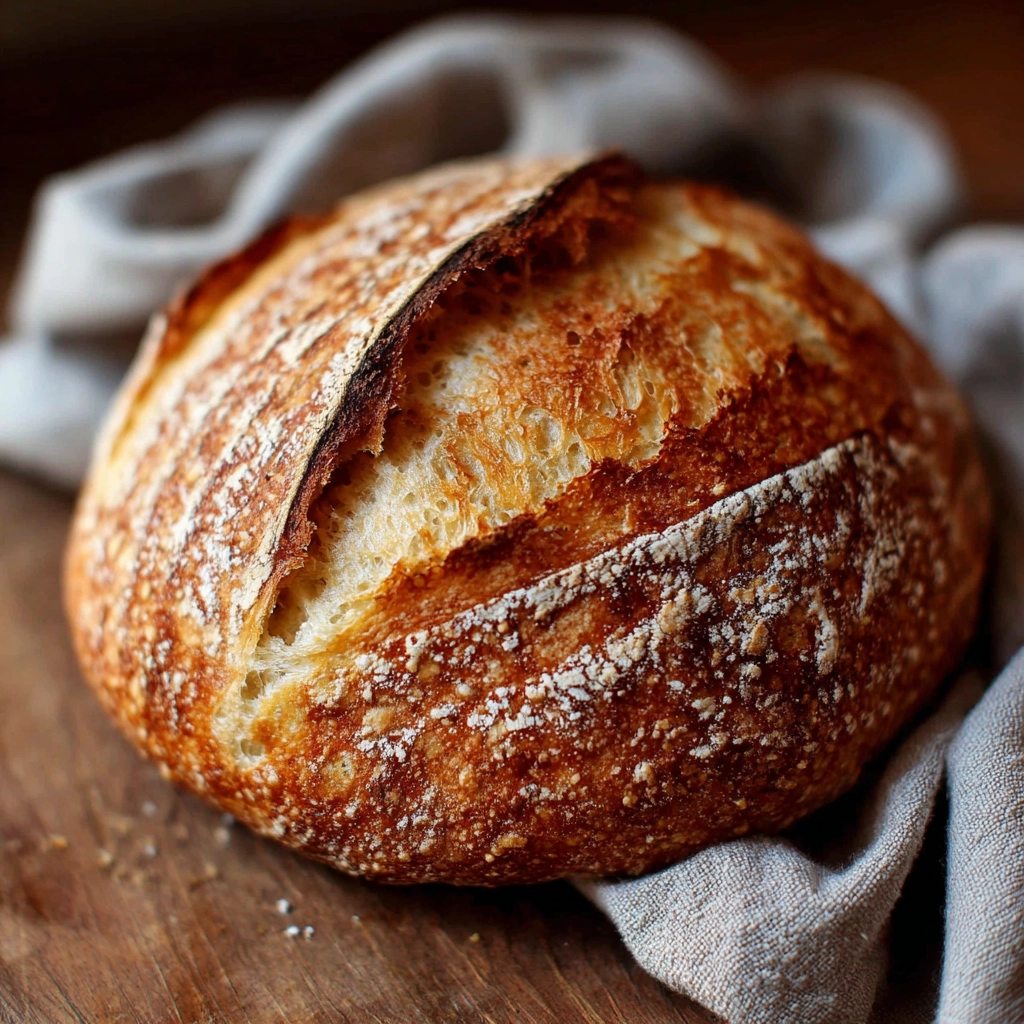
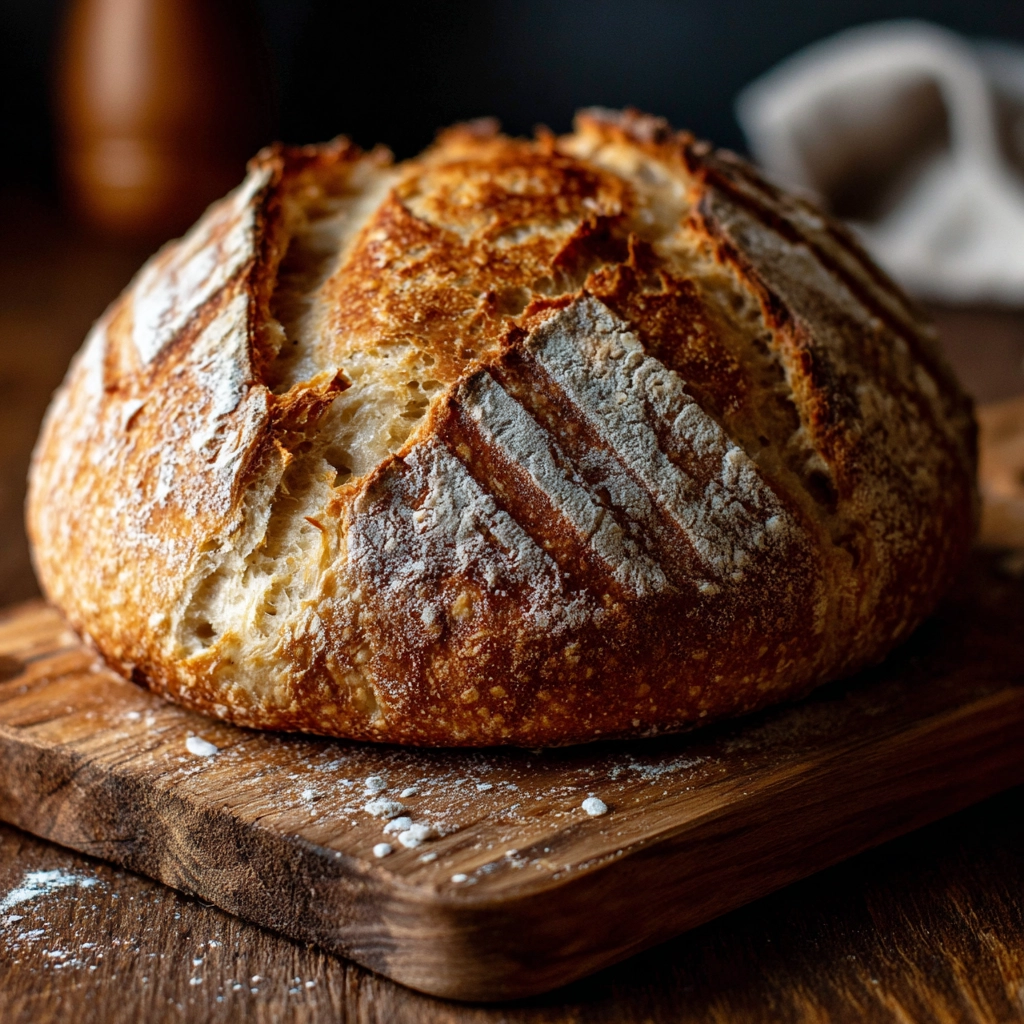
Baking sourdough bread at home is one of life’s small but satisfying pleasures. With its tangy flavor, chewy crumb, and crisp crust, sourdough has a reputation for being complicated—but it doesn’t have to be. The no-knead sourdough bread recipe takes all the fuss out of traditional bread making while still delivering that rustic, bakery-quality loaf you’ve been craving.
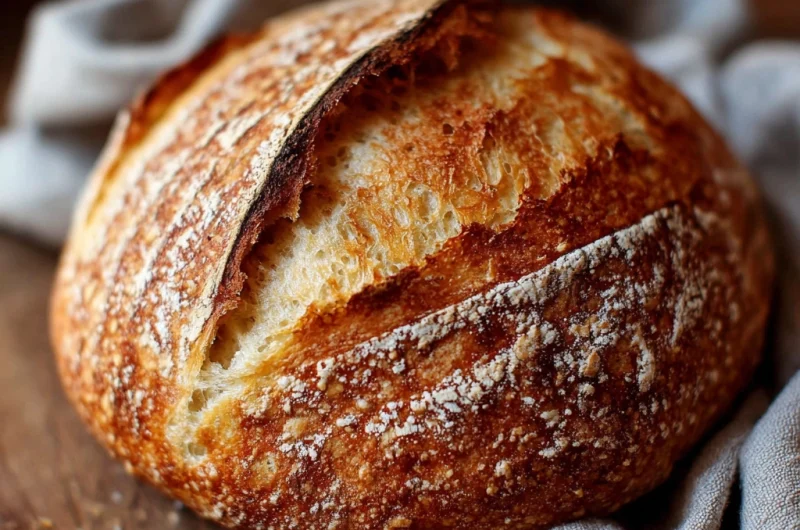
Imagine waking up to the aroma of freshly baked bread filling your kitchen, with a crust so crisp it cracks under your fingers and a soft, flavorful interior that pairs perfectly with butter, jam, or your favorite savory toppings. Thanks to a long, slow fermentation and minimal hands-on effort, this recipe is approachable for beginners and convenient for experienced bakers who want an effortless, authentic sourdough loaf.
Ingredients Needed
| Ingredient | Quantity | Approx. Calories |
|---|---|---|
| All-purpose flour | 3 cups (360 g) | 1,200 kcal |
| Active sourdough starter | ½ cup (120 g) | 100 kcal |
| Water (room temperature) | 1¼ cups (300 ml) | 0 kcal |
| Salt | 2 tsp (12 g) | 0 kcal |
Step-by-Step Cooking Instructions
- Mix the dough
In a large bowl, combine flour, sourdough starter, and water. Stir with a spatula or wooden spoon until fully incorporated. Cover the bowl with a clean kitchen towel and let it rest for 30 minutes. - Add salt
Sprinkle the salt over the dough, then fold it in gently using your hands or a spatula. The dough will be sticky and shaggy—that’s perfect. Cover and let it rest for 12–18 hours at room temperature for slow fermentation. - Shape the dough
Lightly flour your work surface and gently scrape the dough onto it. Fold the edges into the center to form a rough ball. Cover with a towel and let it rest for 1–2 hours until it becomes puffy. - Preheat the oven
Place a Dutch oven with its lid inside the oven and preheat to 450°F (230°C). Preheating ensures a crisp, golden crust. - Bake the bread
Carefully remove the hot Dutch oven, transfer the dough into it, cover with the lid, and bake for 30 minutes. Remove the lid and bake for an additional 15–20 minutes until the crust turns deep golden brown. - Cool and enjoy
Let the bread cool on a wire rack for at least 1 hour before slicing to allow the crumb to set properly.
Tips for Customizing the Recipe
- Add seeds or grains: Sprinkle sesame, sunflower, or flax seeds on top before baking.
- Flavor twists: Mix in herbs, garlic, olives, or sun-dried tomatoes for savory variations.
- Whole wheat option: Replace up to half of the all-purpose flour with whole wheat flour for a nuttier flavor.
- Gluten-free alternative: Use a gluten-free flour blend and a suitable starter, but baking times may vary.
- Adjust hydration: Slightly more water creates a more open, airy crumb; less water gives a denser loaf.
Nutritional Information (Per Serving, 1/8 loaf approx.)
| Nutrient | Amount |
|---|---|
| Calories | 160–170 kcal |
| Protein | 5 g |
| Carbohydrates | 32 g |
| Fiber | 2 g |
| Fat | 0.5 g |
| Sodium | 250 mg |
Sourdough bread is not only flavorful but also offers slow-digesting carbohydrates and beneficial lactic acid bacteria from fermentation.
Serving Suggestions
- Spread with butter, avocado, or nut butter for breakfast.
- Serve alongside soups, stews, or chili for a hearty dinner.
- Make sandwiches with fresh veggies, cheese, or roasted meats.
- Toast slices and top with tomatoes, olive oil, and herbs for a simple snack.
No-Knead Sourdough Bread Recipe: Easy, Rustic, and Delicious
8 slices
servings15
minutes45
minutes160-170
kcalIngredients
IngredienttQuantitytApprox. Calories
All-purpose flourt3 cups (360 g)t1,200 kcal
Active sourdough startert½ cup (120 g)t100 kcal
Water (room temperature)t1¼ cups (300 ml)t0 kcal
Saltt2 tsp (12 g)t0 kcal
Directions
- Mix the dough
- Combine flour, sourdough starter, and water in a large bowl. Stir until fully incorporated. Cover and let rest for 30 minutes.
- Add salt
- Sprinkle salt over the dough and fold it in gently. Cover and let ferment at room temperature for 12–18 hours.
- Shape the dough
- Lightly flour a surface, shape the dough into a ball, cover, and let rest for 1–2 hours until puffy.
- Preheat the oven
- Place a Dutch oven with lid inside and preheat to 450°F (230°C).
- Bake the bread
- Transfer the dough to the hot Dutch oven, cover, bake 30 minutes, then remove the lid and bake 15–20 more minutes until golden brown.
- Cool and serve
- Let bread cool on a wire rack for at least 1 hour before slicing.
Recipe Video
Notes
- Make sure your sourdough starter is active and bubbly for best results.
Avoid over-mixing the dough; a sticky, shaggy texture is normal for no-knead bread.
Resting time is crucial: the long fermentation develops flavor and creates a chewy, airy crumb.
FAQs
1. Can I make no-knead sourdough bread without a Dutch oven?
Yes! You can bake it on a baking sheet or in any oven-safe pot. To get a crisp crust, place a small oven-safe bowl of water in the oven to create steam.
2. How long does no-knead sourdough bread last?
Store the bread in a paper bag or bread box at room temperature for up to 3–4 days. For longer storage, slice and freeze portions, then toast as needed.
3. Can I speed up the fermentation?
You can, but slower fermentation develops better flavor. If you shorten the time, the bread may rise faster but will have a milder tang and less complex crumb.
4. What is the difference between no-knead and traditional sourdough bread?
No-knead bread requires minimal handling and long, slow fermentation, while traditional sourdough involves kneading, shaping, and multiple proofing stages. Both produce delicious bread, but no-knead is more beginner-friendly.
5. How do I know when my sourdough starter is ready?
A mature starter should be bubbly, doubled in size, and have a slightly tangy aroma. Perform the “float test”: drop a small spoonful in water—if it floats, it’s ready to use.
Conclusion
The no-knead sourdough bread recipe proves that homemade artisan bread doesn’t need to be intimidating. With minimal effort, a long fermentation, and a few simple ingredients, you can achieve a rustic, flavorful loaf that rivals bakery-quality bread. Perfect for breakfast, lunch, or dinner, this bread is as versatile as it is delicious. Whether you are a beginner baker or simply want an effortless way to enjoy fresh bread, this recipe will quickly become a kitchen favorite.