Vegetable Curry Recipe: A Flavorful, Healthy & Easy Homemade Delight
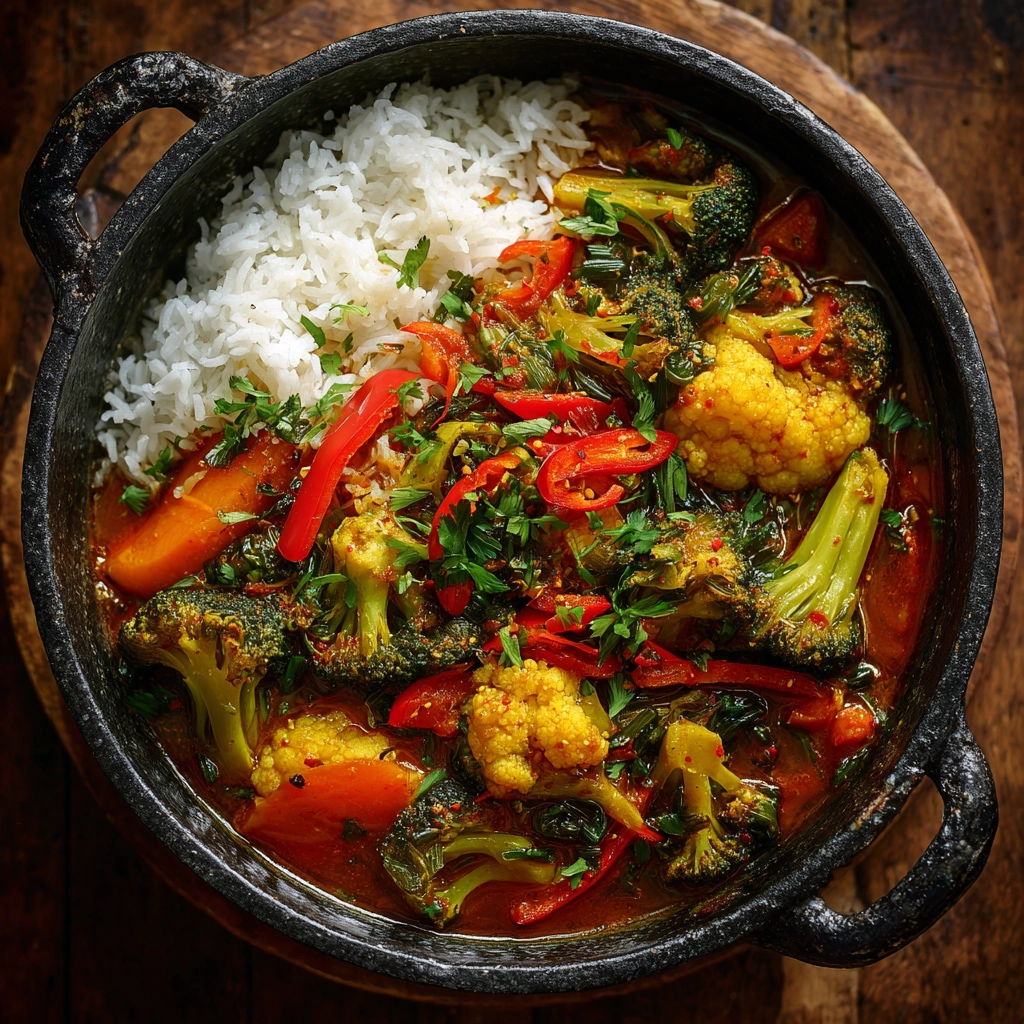
A warm bowl of Vegetable Curry Recipe brings together vibrant colors, rich spices, and wholesome ingredients in a way that feels both comforting and nourishing. Popular across many cultures, this dish has earned its place as a go-to meal for anyone looking to enjoy a healthy yet satisfying homemade dinner. Fragrant spices blend beautifully with fresh vegetables, creating layers of flavor that deepen with every bite.
Cooking vegetable curry at home allows full control over taste, spice level, and nutrition, making it an excellent choice for families, meal preppers, and health-conscious food lovers. Whether served with rice, naan, or quinoa, this dish delivers a balanced combination of taste and nutrition that suits both everyday meals and special occasions.

Ingredients Needed
Below is a list of commonly used ingredients along with their approximate calorie values per serving:
| Ingredient | Quantity (Approx.) | Calories (Approx.) |
|---|---|---|
| Mixed vegetables | 2 cups | 120 kcal |
| Onion | 1 medium | 44 kcal |
| Tomato | 2 medium | 40 kcal |
| Garlic | 3 cloves | 13 kcal |
| Ginger | 1 tbsp | 5 kcal |
| Cooking oil | 2 tbsp | 240 kcal |
| Coconut milk (optional) | 1 cup | 200 kcal |
| Curry powder | 1 tbsp | 20 kcal |
| Turmeric powder | 1 tsp | 8 kcal |
| Cumin seeds | 1 tsp | 8 kcal |
| Salt | to taste | 0 kcal |
| Water/Vegetable stock | 1–2 cups | 0–15 kcal |
Step-by-Step Cooking Instructions
1. Prepare the Ingredients
Wash and chop all vegetables into bite-sized pieces. Finely chop onions, garlic, and ginger for a smooth cooking base.
2. Heat the Oil and Spices
Warm oil in a deep pan over medium heat. Add cumin seeds and allow them to sizzle until aromatic, releasing their earthy flavor.
3. Sauté Aromatics
Add chopped onions, garlic, and ginger. Cook until the onions turn golden brown and fragrant, forming the flavor base of the curry.
4. Add Tomatoes and Spices
Mix in chopped tomatoes along with turmeric, curry powder, and salt. Cook until the tomatoes soften and blend into a thick paste.
5. Add Vegetables
Stir in the mixed vegetables and coat them well with the spice mixture. Cook for a few minutes to allow the flavors to absorb.
6. Simmer the Curry
Pour in water or vegetable stock. Cover and let it simmer until the vegetables become tender but still slightly firm.
7. Add Coconut Milk (Optional)
For a creamier texture, add coconut milk and simmer for an additional 5–7 minutes.
8. Final Touch
Taste and adjust seasoning. Garnish with fresh coriander leaves before serving.
Tips for Customizing the Recipe
- Adjust spice levels by increasing or reducing chili powder or green chilies.
- Add protein such as chickpeas, tofu, or paneer for a more filling meal.
- Use seasonal vegetables for better flavor and nutrition.
- Replace coconut milk with yogurt for a lighter version.
- Add lemon juice at the end for a fresh, tangy finish.
Nutritional Information
A typical serving of vegetable curry provides a balanced mix of essential nutrients:
| Nutrient | Amount / Description |
|---|---|
| Calories | 250–400 kcal (depending on ingredients) |
| Carbohydrates | 30–45 g |
| Protein | 6–12 g |
| Fats | 10–20 g |
| Fiber | High (from mixed vegetables) |
| Vitamins | Rich in Vitamin A, C, and K |
| Minerals | Contains potassium, iron, and magnesium |
This makes vegetable curry an excellent choice for a nutrient-dense and filling meal.
Serving Suggestions
Vegetable curry pairs beautifully with a variety of sides:
- Steamed basmati rice or brown rice
- Warm naan or roti
- Quinoa or couscous for a healthier twist
- Pickles and papad for added crunch
- A side of fresh salad or yogurt to balance spices
For a restaurant-style experience, serve it hot in a bowl topped with fresh coriander and a squeeze of lime.

Vegetable Curry Recipe: A Flavorful, Healthy & Easy Homemade Delight
4
servings15
minutes25
minutes250-400
kcalIngredients
2 cups mixed vegetables (carrots, potatoes, peas, cauliflower, etc.)
1 medium onion (chopped)
2 medium tomatoes (chopped)
3 cloves garlic (minced)
1 tbsp ginger (grated)
2 tbsp cooking oil
1 tbsp curry powder
1 tsp turmeric powder
1 tsp cumin seeds
Salt (to taste)
1–2 cups water or vegetable stock
1 cup coconut milk (optional)
Fresh coriander leaves (for garnish)
Directions
- Heat oil in a pan and add cumin seeds until they crackle.
- Add onions, garlic, and ginger; sauté until golden brown.
- Add tomatoes and spices (turmeric, curry powder, salt). Cook until soft.
- Mix in vegetables and stir well to coat with spices.
- Add water or stock, cover, and simmer until vegetables are tender.
- Pour in coconut milk (optional) and cook for 5–7 minutes.
- Garnish with fresh coriander and serve hot.
Recipe Video
Notes
- Vegetable curry is a highly versatile dish that can easily be adapted to personal taste, dietary needs, and ingredient availability. The key to a flavorful curry lies in properly sautéing the onions, garlic, and spices, as this forms the aromatic base of the dish.
FAQs
1. What vegetables work best for vegetable curry?
A mix of potatoes, carrots, peas, cauliflower, bell peppers, and green beans works best. These vegetables hold their shape well and absorb spices beautifully, creating a balanced flavor and texture.
2. Can I make vegetable curry without coconut milk?
Yes, coconut milk is optional. You can replace it with yogurt, cashew paste, or simply water or vegetable stock for a lighter version. Each alternative gives a slightly different taste and texture.
3. How can I make vegetable curry spicier?
To increase the spice level, add green chilies, red chili powder, or a pinch of cayenne pepper. You can also use garam masala for a stronger, more aromatic heat.
4. Is vegetable curry healthy for weight loss?
Yes, vegetable curry can be a healthy option for weight loss when made with less oil and without heavy cream. It is rich in fiber, vitamins, and minerals, which help keep you full for longer.
5. Can vegetable curry be stored and reheated?
Absolutely. Vegetable curry can be stored in an airtight container in the refrigerator for up to 3–4 days. Reheat it on the stove or microwave before serving.
Conclusion
Vegetable curry stands out as a versatile dish that combines nutrition, flavor, and comfort in every serving. Its adaptability allows endless variations, making it suitable for both beginners and experienced cooks. With simple ingredients and straightforward steps, preparing this dish at home becomes an enjoyable culinary experience rather than a complex task.