Japanese Chicken Curry Recipe – A Comforting and Flavorful Homemade Delight
Rich aromas drifting through the kitchen, tender chicken simmering in a velvety curry sauce, and perfectly cooked vegetables melting into every bite make Japanese Chicken Curry Recipe one of the most comforting meals in Japanese home cooking. Unlike fiery Indian curries or heavily spiced Thai versions, Japanese curry delivers a mild yet deeply savory flavor profile that appeals to both adults and children. Its thick texture, slightly sweet undertones, and hearty ingredients create a dish that feels satisfying in every season.
Japanese curry, commonly known as Kare Raisu in Japan, became popular during the late 19th century and has since evolved into a beloved staple across households, restaurants, and school cafeterias. The dish typically combines chicken, potatoes, carrots, onions, and curry roux, resulting in a wholesome meal that pairs beautifully with steamed rice.
Preparing Japanese chicken curry at home offers complete control over flavor, spice level, and ingredients. The recipe remains approachable even for beginner cooks while still delivering restaurant-quality taste. Every spoonful carries a balance of sweetness, umami, and gentle spice that keeps people returning for seconds.
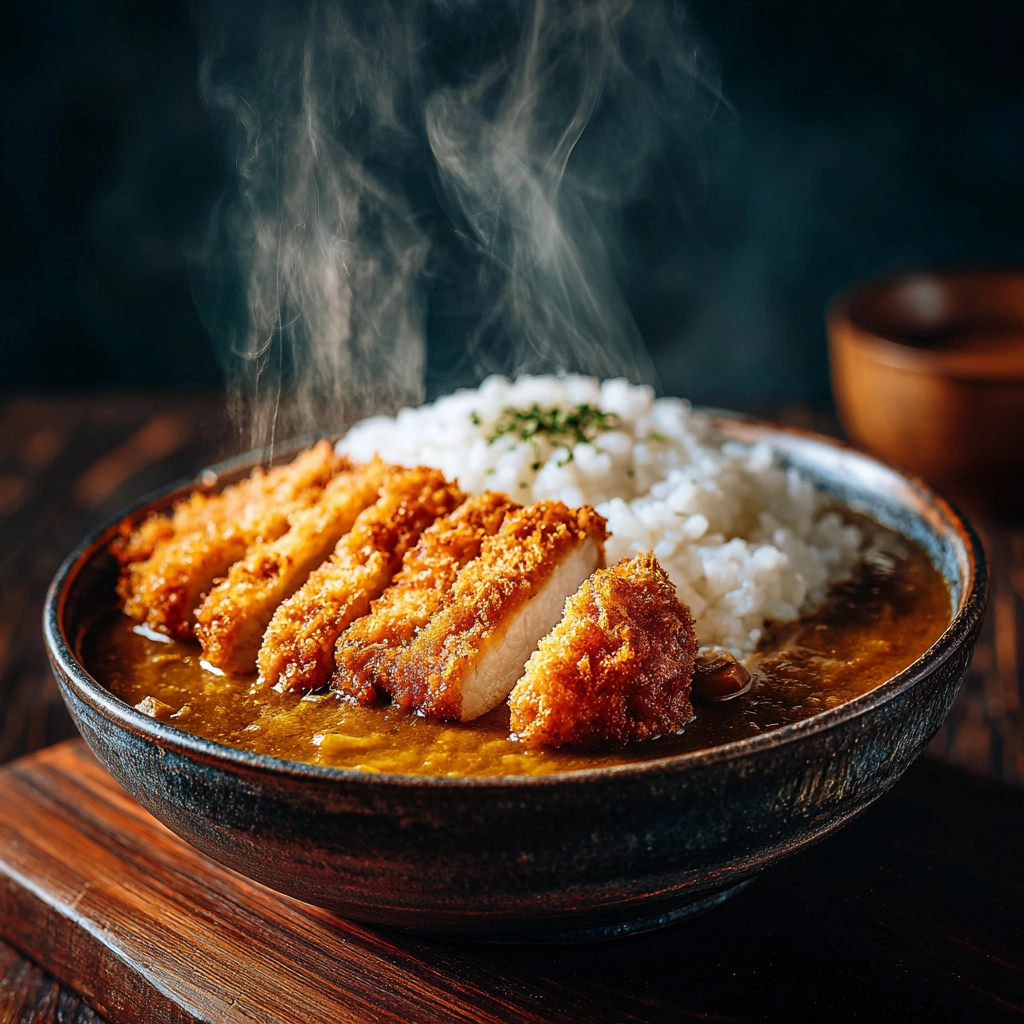
Ingredients Needed
The following ingredients create approximately 4 servings of Japanese chicken curry.
| Ingredient | Quantity | Approximate Calories |
|---|---|---|
| Boneless chicken thighs | 500 g | 750 kcal |
| Onion | 2 medium | 90 kcal |
| Carrots | 2 medium | 50 kcal |
| Potatoes | 2 large | 220 kcal |
| Garlic | 3 cloves | 15 kcal |
| Ginger | 1 tablespoon | 5 kcal |
| Cooking oil | 2 tablespoons | 240 kcal |
| Japanese curry roux cubes | 4 cubes | 360 kcal |
| Chicken broth or water | 4 cups | 40 kcal |
| Soy sauce | 1 tablespoon | 10 kcal |
| Honey or sugar | 1 teaspoon | 20 kcal |
| Salt | To taste | 0 kcal |
| Black pepper | To taste | 0 kcal |
| Steamed white rice | 4 servings | 800 kcal |
Step-by-Step Cooking Instructions
1. Prepare the Ingredients
Start by washing and peeling the vegetables. Cut the onions into thin slices, chop the carrots into bite-sized chunks, and dice the potatoes evenly to ensure uniform cooking. Trim the chicken thighs and cut them into medium-sized pieces.
2. Sauté the Chicken
Heat cooking oil in a large pot over medium heat. Add the chicken pieces and cook until lightly browned on all sides. Browning the chicken helps build a richer flavor base for the curry.
3. Cook the Vegetables
In the same pot, add sliced onions and sauté until soft and golden brown. Stir in the garlic and ginger, allowing the fragrance to develop for about one minute.
4. Simmer the Curry
Return the chicken to the pot and pour in the chicken broth or water. Bring the mixture to a gentle boil, then reduce the heat and let it simmer for about 15–20 minutes.
5. Add the Curry Roux
Break the curry roux cubes into smaller pieces before adding them to the pot. Stir continuously until the cubes fully dissolve into the liquid.
6. Serve Hot
Spoon freshly steamed white rice onto serving plates and ladle the rich chicken curry beside or over the rice.
Tips for Customizing the Recipe
Adjust the Spice Level
Japanese curry roux comes in mild, medium, and hot varieties. Combining different spice levels creates a balanced and personalized flavor.
Add Extra Vegetables
Broccoli, mushrooms, peas, sweet potatoes, and bell peppers can add texture, nutrition, and color to the dish.
Make It Creamier
A splash of milk, coconut milk, or heavy cream creates a richer and silkier curry sauce.
Use Different Proteins
Chicken can easily be replaced with beef, shrimp, tofu, or pork depending on dietary preferences.
Enhance the Flavor
Adding grated apple, a small amount of butter, or a touch of Worcestershire sauce can deepen the flavor and create authentic Japanese-style richness.
Nutritional Information
Japanese chicken curry provides a balanced combination of protein, carbohydrates, and vegetables, making it a satisfying complete meal.
Approximate Nutrition Per Serving
| Nutrient | Amount |
|---|---|
| Calories | 650–700 kcal |
| Protein | 28 g |
| Carbohydrates | 65 g |
| Fat | 30 g |
| Fiber | 6 g |
| Sodium | 950 mg |
| Sugar | 8 g |
Nutritional values may vary depending on the brand of curry roux and portion size.
Serving Suggestions
Japanese chicken curry pairs wonderfully with several side dishes and accompaniments that elevate the overall dining experience.
- Serve with steamed Japanese short-grain rice for a traditional presentation.
- Add pickled ginger or Fukujinzuke for a tangy contrast.
- Pair with a crisp green salad dressed in sesame vinaigrette.
- Enjoy alongside miso soup for a comforting Japanese-style meal.
- Top the curry with a soft-boiled egg for added richness.
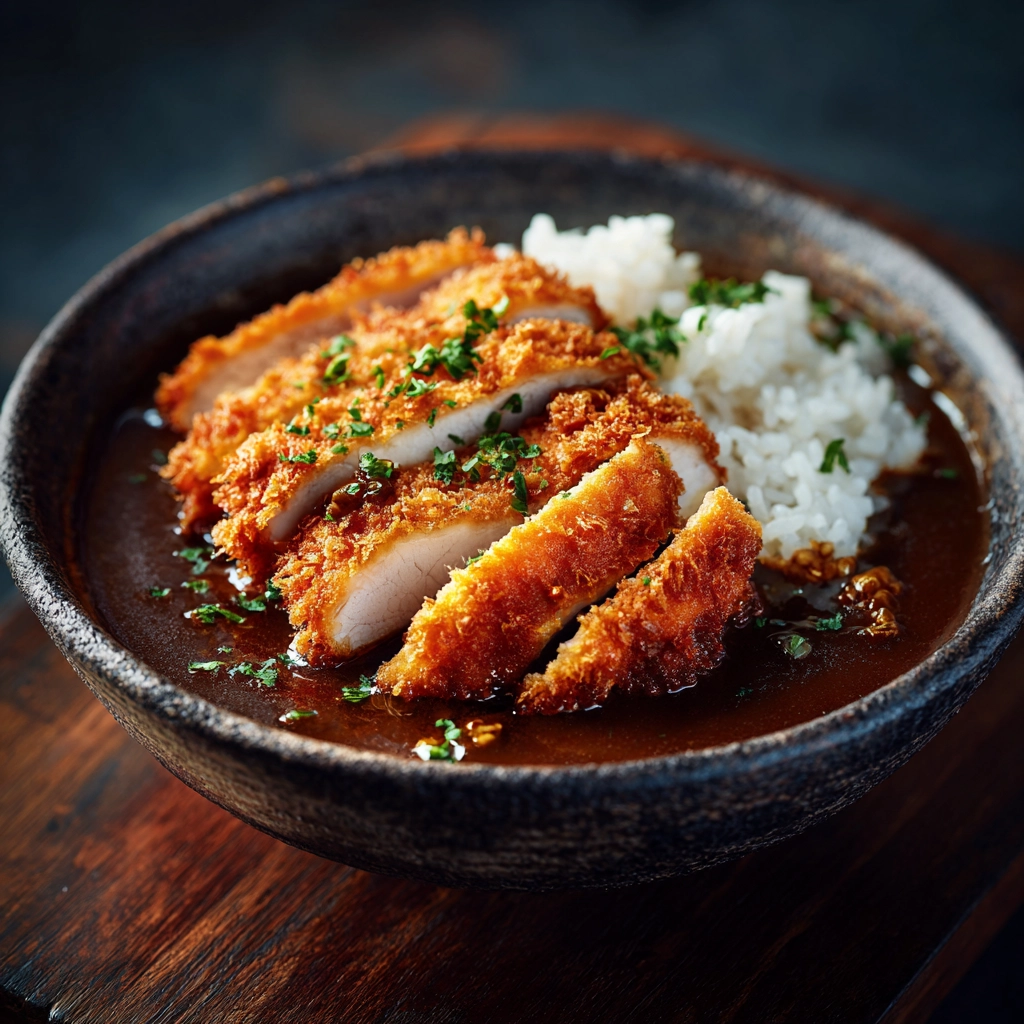
- Serve with crispy chicken cutlet (Katsu Curry) for a restaurant-inspired variation.
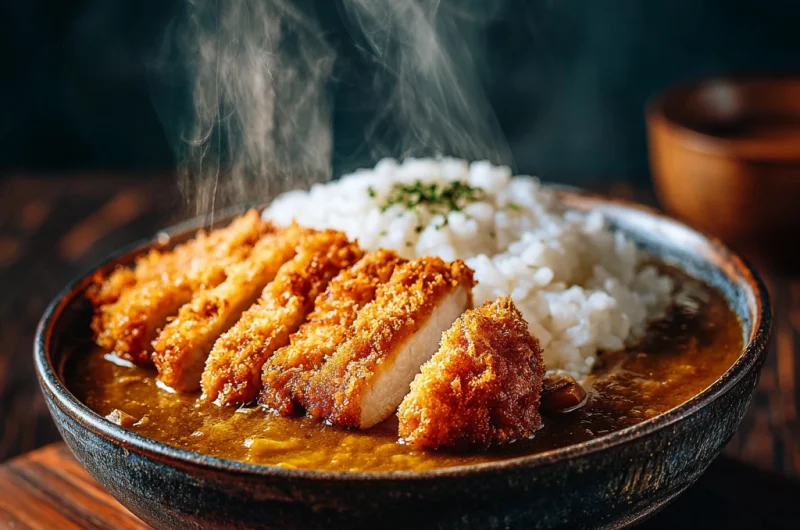
Japanese Chicken Curry – A Comforting and Flavorful Homemade Delight
4
servings15
minutes35
minutes650-700
kcalIngredients
| Ingredient | Quantity |
| ————————- | ——————– |
| Boneless chicken thighs | 500 g |
| Onion | 2 medium, sliced |
| Carrots | 2 medium, chopped |
| Potatoes | 2 large, diced |
| Garlic | 3 cloves, minced |
| Ginger | 1 tablespoon, grated |
| Cooking oil | 2 tablespoons |
| Japanese curry roux cubes | 4 cubes |
| Chicken broth or water | 4 cups |
| Soy sauce | 1 tablespoon |
| Honey or sugar | 1 teaspoon |
| Salt | To taste |
| Black pepper | To taste |
| Steamed white rice | For serving |
Directions
- Brown the Chicken
- Heat oil in a large pot over medium heat. Add chicken pieces and cook until lightly browned on all sides. Remove and set aside.
- Cook the Vegetables
- In the same pot, sauté onions until soft and golden. Add garlic and ginger, then stir for 1 minute. Mix in carrots and potatoes.
- Simmer
- Return chicken to the pot and pour in chicken broth or water. Bring to a boil, reduce heat, and simmer for 15–20 minutes.
- Add Curry Roux
- Break curry roux cubes into smaller pieces and stir them into the pot until fully dissolved.
- Finish the Curry
- Add soy sauce and honey. Simmer for another 10 minutes until the curry thickens.
- Serve
- Serve hot with steamed white rice and optional garnishes like parsley or Japanese pickles.
Recipe Video
Notes
- Japanese curry naturally thickens as it simmers, so avoid adding too much extra roux at the beginning.
Cutting vegetables into evenly sized pieces helps them cook uniformly and improves texture.
Chicken thighs provide richer flavor and stay tender longer than chicken breast.
FAQs
1. What makes Japanese chicken curry different from Indian curry?
Japanese chicken curry has a thicker, milder, and slightly sweeter flavor compared to Indian curry. Indian curries often contain a wide variety of spices and stronger heat levels, while Japanese curry uses curry roux to create a smooth and comforting sauce with a rich umami taste.
2. Can I make Japanese chicken curry without curry roux cubes?
Yes, homemade curry sauce can be prepared using curry powder, flour, butter, and seasonings. However, curry roux cubes provide the authentic texture and flavor commonly found in traditional Japanese curry recipes.
3. Which cut of chicken works best for Japanese curry?
Chicken thighs are usually preferred because they remain juicy and tender during simmering. Chicken breast can also be used for a leaner option, though it may become slightly drier if overcooked.
4. Is Japanese chicken curry spicy?
Most Japanese curries are mildly spiced and family-friendly. The spice level depends on the type of curry roux used. Mild versions are ideal for children, while medium and hot varieties offer more heat.
5. Can Japanese curry be made ahead of time?
Absolutely. Japanese curry often tastes even better the next day because the flavors continue to develop over time. Store it in an airtight container in the refrigerator for up to 3 days.
Conclusion
Japanese chicken curry combines comforting textures, rich flavors, and simple ingredients into one unforgettable dish. Its mild spice level and hearty consistency make it ideal for family dinners, meal prep, or cozy weekend cooking. Homemade curry allows endless customization while delivering the authentic warmth associated with Japanese comfort food.