Kimbap Recipe (Korean Seaweed Rice Rolls) – Easy, Fresh & Flavorful Homemade Guide
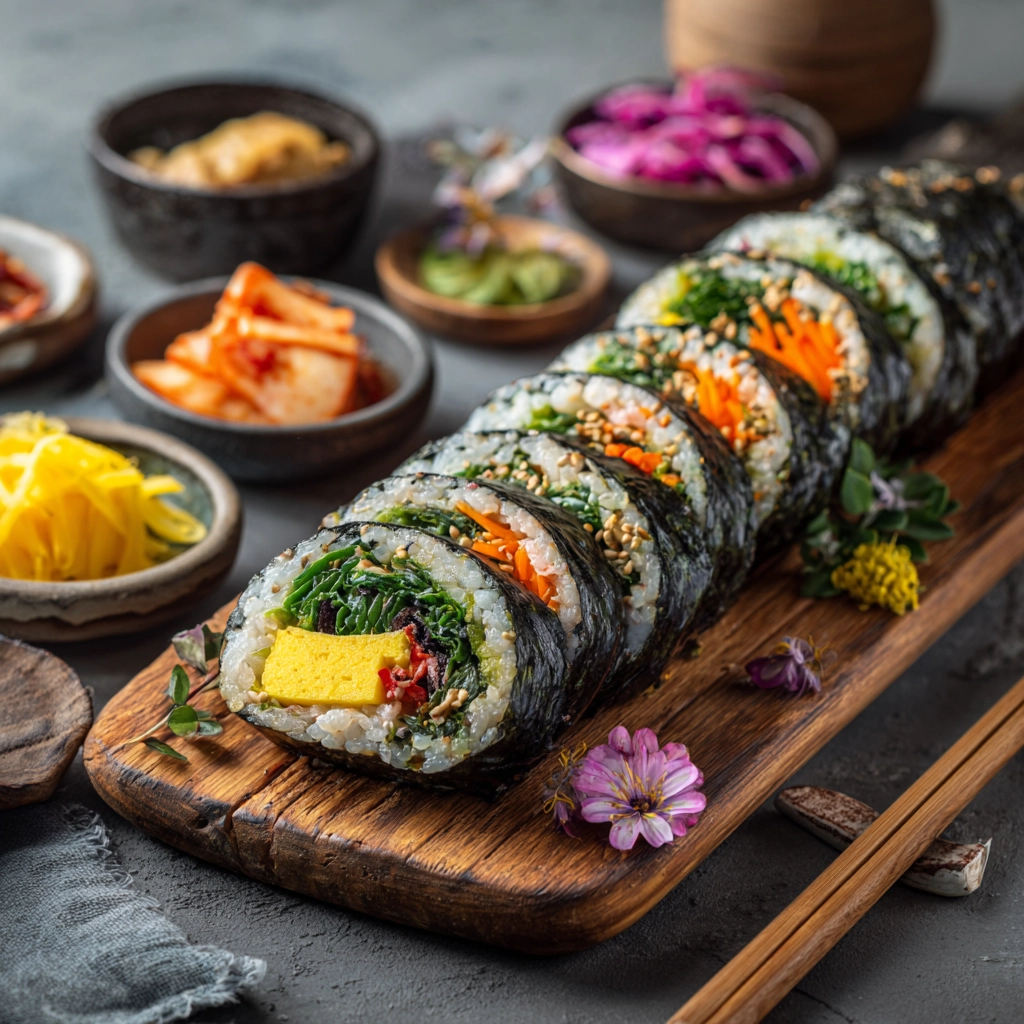
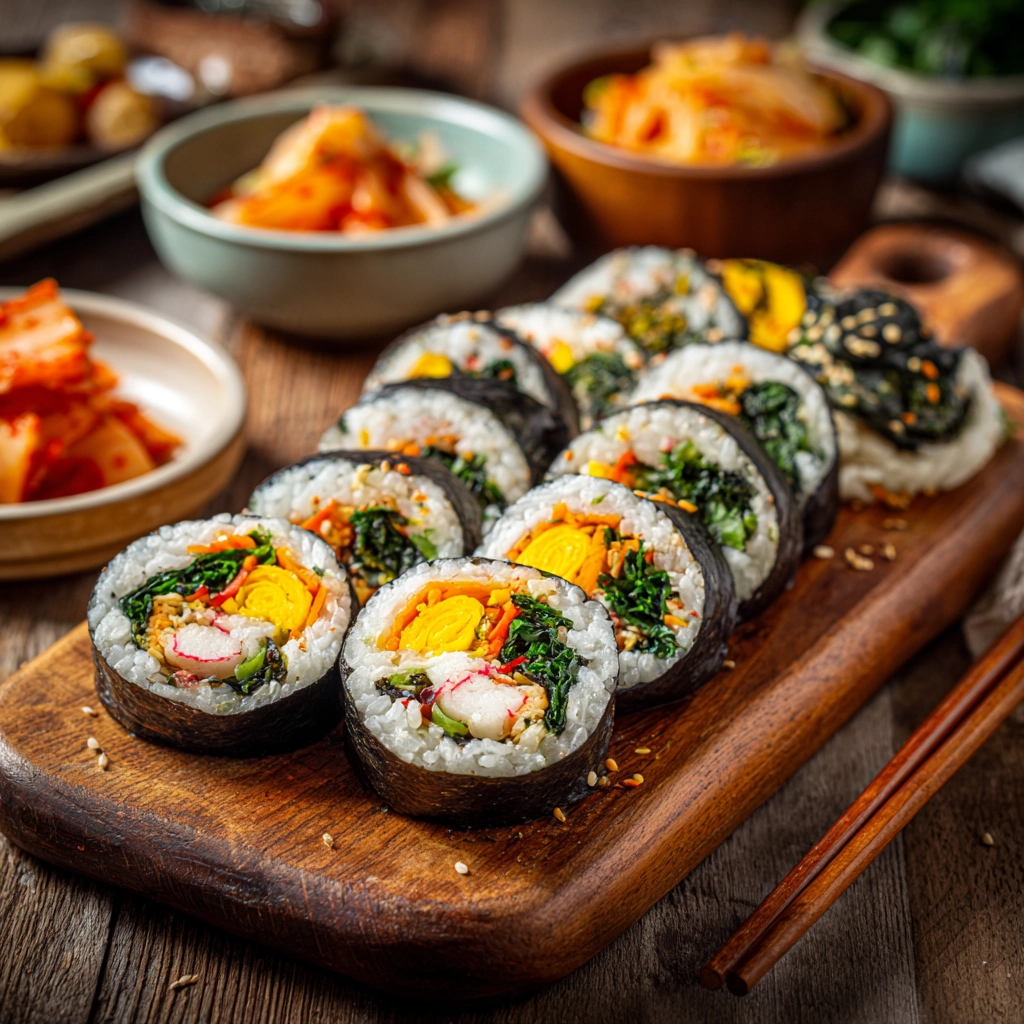
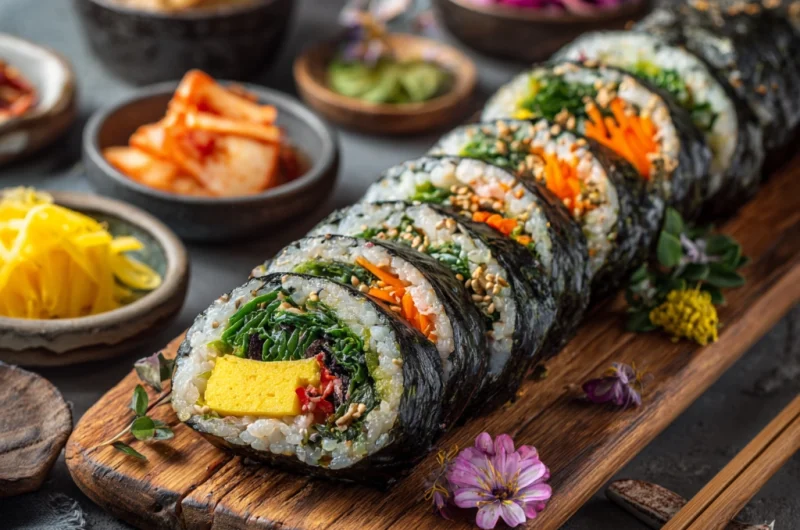
Bright colors, balanced flavors, and a satisfying bite-sized format make Kimbap Recipe one of the most beloved Korean comfort foods. Often enjoyed as a picnic staple, lunchbox favorite, or quick grab-and-go meal, these seaweed rice rolls combine simplicity with incredible versatility. Each slice reveals a beautiful spiral of rice, vegetables, protein, and sesame-infused flavor wrapped neatly in crisp roasted seaweed.
Unlike sushi, kimbap relies on seasoned rice without vinegar and uses cooked ingredients instead of raw fish, making it a more approachable and family-friendly option for home cooks. The combination of textures—from crunchy pickled radish to tender egg strips and savory protein—creates a balanced taste that feels both refreshing and satisfying.
Preparing kimbap at home brings a sense of creativity to the kitchen. Ingredients can be customized based on preference, dietary needs, or what’s available in the refrigerator. Whether packed for school lunches, road trips, or light dinners, kimbap delivers convenience without sacrificing flavor or nutrition. Its colorful presentation also makes it visually appealing, turning a simple meal into something special.
Ingredients Needed
The following ingredients make approximately 4 rolls of kimbap (about 32 slices).
| Ingredient | Quantity | Approximate Calories |
|---|---|---|
| Cooked short-grain rice | 3 cups | 600 calories |
| Seaweed sheets (gim/nori) | 4 sheets | 80 calories |
| Eggs | 3 large | 210 calories |
| Carrots (julienned) | 1 cup | 50 calories |
| Cucumber (julienned) | 1 cup | 16 calories |
| Spinach (blanched) | 1 cup | 20 calories |
| Pickled radish (danmuji) | ½ cup | 35 calories |
| Cooked ham or beef | 1 cup | 200 calories |
| Sesame oil | 2 tablespoons | 240 calories |
| Sesame seeds | 1 tablespoon | 52 calories |
| Soy sauce | 2 tablespoons | 20 calories |
| Salt | 1 teaspoon | 0 calories |
| Cooking oil | 1 tablespoon | 120 calories |
Step-by-Step Cooking Instructions
1: Prepare the Rice
Cook short-grain rice and let it cool slightly. Mix with sesame oil and a pinch of salt for light seasoning.
2: Prepare the Vegetables
- Blanch spinach in hot water for 30 seconds, then squeeze dry and season with salt and sesame oil.
- Lightly sauté carrots until tender.
- Slice cucumbers and pickled radish into thin strips.
3: Cook the Eggs
Beat eggs with a pinch of salt and cook into a thin omelet. Slice into long strips once cooled.
4: Prepare Protein
Cook ham, beef, or any preferred protein and cut into thin strips.
5: Assemble the Kimbap
Place a seaweed sheet on a bamboo mat. Spread a thin layer of rice evenly, leaving space at the top edge.
6: Add Fillings
Arrange spinach, carrots, cucumber, pickled radish, egg, and protein in a line across the rice.
7: Roll Tightly
Carefully roll the kimbap using the bamboo mat, pressing gently to keep it firm.
8: Slice and Serve
Brush the roll lightly with sesame oil and slice into bite-sized pieces using a sharp knife.
Tips for Customizing the Recipe
- Replace meat with tofu or avocado for a vegetarian version.
- Add cheese for a fusion-style creamy texture.
- Use brown rice for a healthier, high-fiber alternative.
- Add spicy tuna or kimchi for extra heat and bold flavor.
- Keep fillings dry to prevent soggy rolls.
- Wet the knife slightly before slicing for clean cuts.
- Use sushi mat plastic wrap for easier rolling and cleanup.
Nutritional Information
Approximate values per roll (varies by ingredients):
| Nutrient | Amount |
|---|---|
| Calories | 300–350 |
| Carbohydrates | 40g |
| Protein | 10–12g |
| Fat | 10–12g |
| Fiber | 3g |
| Sodium | 500mg |
| Iron | 10% DV |
| Vitamin A | 20% DV |
Kimbap offers a balanced mix of carbohydrates, protein, and vegetables, making it a wholesome and energizing meal option.
Serving Suggestions
Kimbap pairs well with a variety of Korean side dishes and dipping sauces:
- Serve with kimchi for a spicy, tangy contrast
- Pair with soy sauce and wasabi-style mustard for dipping
- Enjoy alongside ramen or miso-style soup
- Add pickled vegetables for a refreshing side
- Pack into lunchboxes for school, travel, or picnics
- Serve with iced tea or barley tea for a light meal combination
Kimbap Recipe (Korean Seaweed Rice Rolls) – Easy, Fresh & Flavorful Homemade Guide
4 rolls (32 slices)
servings25
minutes20
minutes300-350
kcalIngredients
3 cups cooked short-grain rice
4 seaweed sheets (gim/nori)
3 eggs
1 cup carrots (julienned)
1 cup cucumber (julienned)
1 cup spinach (blanched)
½ cup pickled radish (danmuji)
1 cup cooked ham, beef, or tofu
2 tbsp sesame oil
1 tbsp sesame seeds
2 tbsp soy sauce
1 tbsp cooking oil
1 tsp salt
Directions
- Prepare Rice
- Cook short-grain rice and mix with a little sesame oil and salt. Let it cool slightly.
- Cook Fillings
- Blanch spinach and season lightly
- Sauté carrots until soft
- Slice cucumber and pickled radish
- Cook protein (ham, beef, or tofu) and cut into strips
- Make Egg Strip
- Cook beaten eggs into a thin omelet and slice into long strips.
- Assemble Kimbap
- Place seaweed on a bamboo mat. Spread rice evenly, leaving a small gap at the top.
- Add Fillings
- Place vegetables, egg, and protein in straight lines over the rice.
- Roll Tightly
- Roll using the mat while pressing firmly to keep shape.
- Slice & Serve
- Brush lightly with sesame oil and slice into bite-sized pieces.
Recipe Video
Notes
- Use slightly warm rice for easier spreading and better stickiness while rolling.
Avoid overfilling the kimbap, as too many ingredients can cause the roll to tear or fall apart.
Seasoning the rice lightly with sesame oil and salt is essential for authentic flavor.
FAQs
1. What is kimbap?
Kimbap is a popular Korean seaweed rice roll made with cooked rice, vegetables, protein, and sesame oil, all wrapped in dried seaweed (gim). It is typically sliced into bite-sized pieces and enjoyed as a snack or meal.
2. What is the difference between kimbap and sushi?
Kimbap uses sesame oil-seasoned rice and cooked fillings, while sushi usually contains vinegared rice and often includes raw fish. Kimbap also has a more savory, nutty flavor profile compared to sushi.
3. Can kimbap be made vegetarian?
Yes, kimbap is very easy to make vegetarian. Simply skip meat and use fillings like spinach, carrots, cucumber, pickled radish, tofu, avocado, or egg.
4. What type of rice is best for kimbap?
Short-grain white rice works best because it is slightly sticky, helping the roll hold together. Avoid long-grain rice as it can make the kimbap fall apart.
5. Why is sesame oil used in kimbap rice?
Sesame oil adds a rich, nutty flavor and prevents the rice from sticking too much, enhancing both taste and texture.
Conclusion
Kimbap brings together convenience, nutrition, and vibrant flavor in one beautifully rolled package. Every bite delivers a satisfying blend of seasoned rice, fresh vegetables, savory protein, and nutty sesame aroma wrapped in crisp seaweed. Its versatility makes it suitable for quick lunches, family meals, and on-the-go snacks without compromising taste or quality.