Korean Bibimbap Recipe – A Flavorful and Colorful Korean Rice Bowl
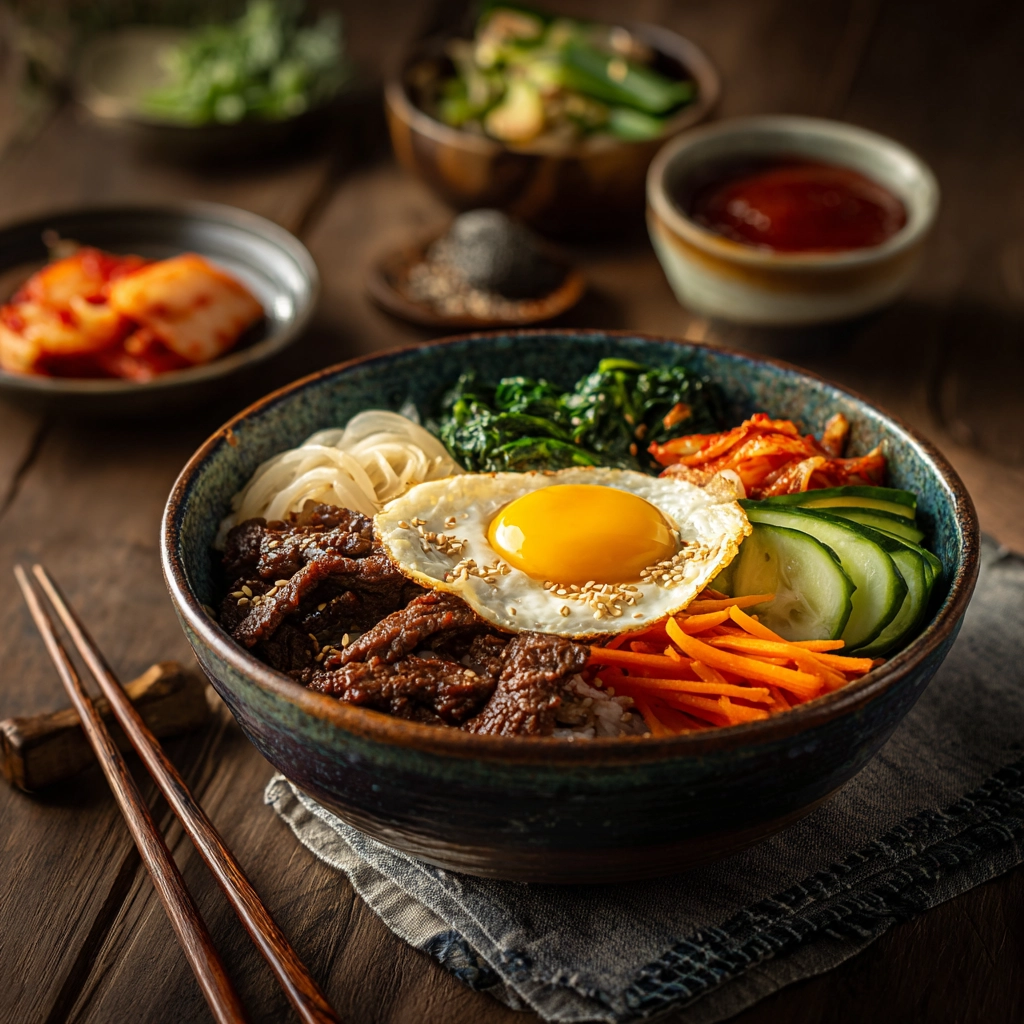
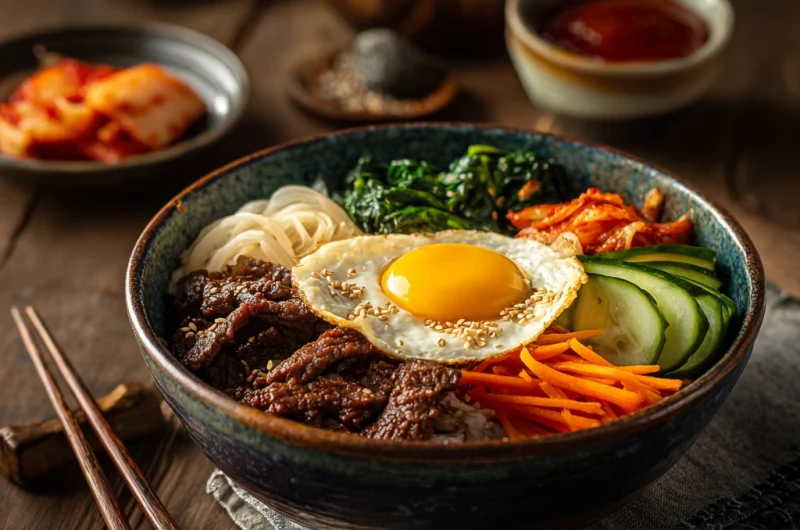
Vibrant colors, bold flavors, and a satisfying mix of textures make Korean Bibimbap Recipe one of the most loved dishes in Korean cuisine. Known for its beautifully arranged ingredients and irresistible spicy sauce, bibimbap combines warm rice with seasoned vegetables, protein, and a perfectly cooked egg to create a balanced and comforting meal. Every bowl offers a delicious harmony of savory, spicy, fresh, and slightly sweet flavors that blend together with each bite.
Traditional Korean bibimbap has become increasingly popular around the world because of its versatility and wholesome ingredients. Home cooks appreciate how easily the recipe can be adapted using available vegetables, proteins, and spice levels. A bowl of bibimbap feels nourishing while still delivering restaurant-quality flavor and presentation.
Fresh sautéed vegetables, crispy rice, marinated meat, and rich gochujang sauce transform simple pantry staples into an exciting meal packed with flavor. Korean bibimbap also works wonderfully for meal prep since many of the ingredients can be prepared ahead of time. Whether served for lunch, dinner, or a special gathering, this iconic Korean rice bowl always brings warmth and comfort to the table.
Ingredients Needed
The following ingredients make approximately 4 servings of Korean bibimbap.
| Ingredient | Quantity | Approximate Calories |
|---|---|---|
| Cooked white rice | 4 cups | 820 calories |
| Ground beef or sliced beef | 1 pound | 850 calories |
| Spinach | 2 cups | 14 calories |
| Carrots, julienned | 1 cup | 50 calories |
| Zucchini, sliced | 1 cup | 20 calories |
| Mushrooms, sliced | 1 cup | 15 calories |
| Bean sprouts | 1 cup | 30 calories |
| Eggs | 4 | 280 calories |
| Sesame oil | 2 tablespoons | 240 calories |
| Soy sauce | 3 tablespoons | 30 calories |
| Garlic, minced | 3 cloves | 15 calories |
| Gochujang (Korean chili paste) | 3 tablespoons | 90 calories |
| Sugar or honey | 1 tablespoon | 50 calories |
| Sesame seeds | 1 tablespoon | 52 calories |
| Green onions | 2 stalks | 10 calories |
Step-by-Step Cooking Instructions
1: Prepare the Rice
Cook white rice according to package instructions. Warm, fluffy rice creates the perfect base for bibimbap.
2: Marinate the Beef
In a bowl, combine beef with soy sauce, garlic, sesame oil, and a small amount of sugar or honey. Let the meat marinate for about 15–20 minutes for deeper flavor.
3: Cook the Vegetables
Lightly sauté each vegetable separately in a small amount of sesame oil. Cook until tender but still slightly crisp to preserve texture and color.
- Spinach: 1–2 minutes
- Carrots: 3–4 minutes
- Zucchini: 3 minutes
- Mushrooms: 4–5 minutes
- Bean sprouts: 2 minutes
Season lightly with salt if desired.
4: Cook the Beef
Heat a skillet over medium-high heat and cook the marinated beef until browned and fully cooked.
5: Fry the Eggs
Cook eggs sunny-side up or to your preferred doneness. A runny yolk adds richness and flavor to the dish.
6: Make the Bibimbap Sauce
Mix gochujang, sesame oil, soy sauce, and a little sugar in a small bowl until smooth.
7: Assemble the Bowls
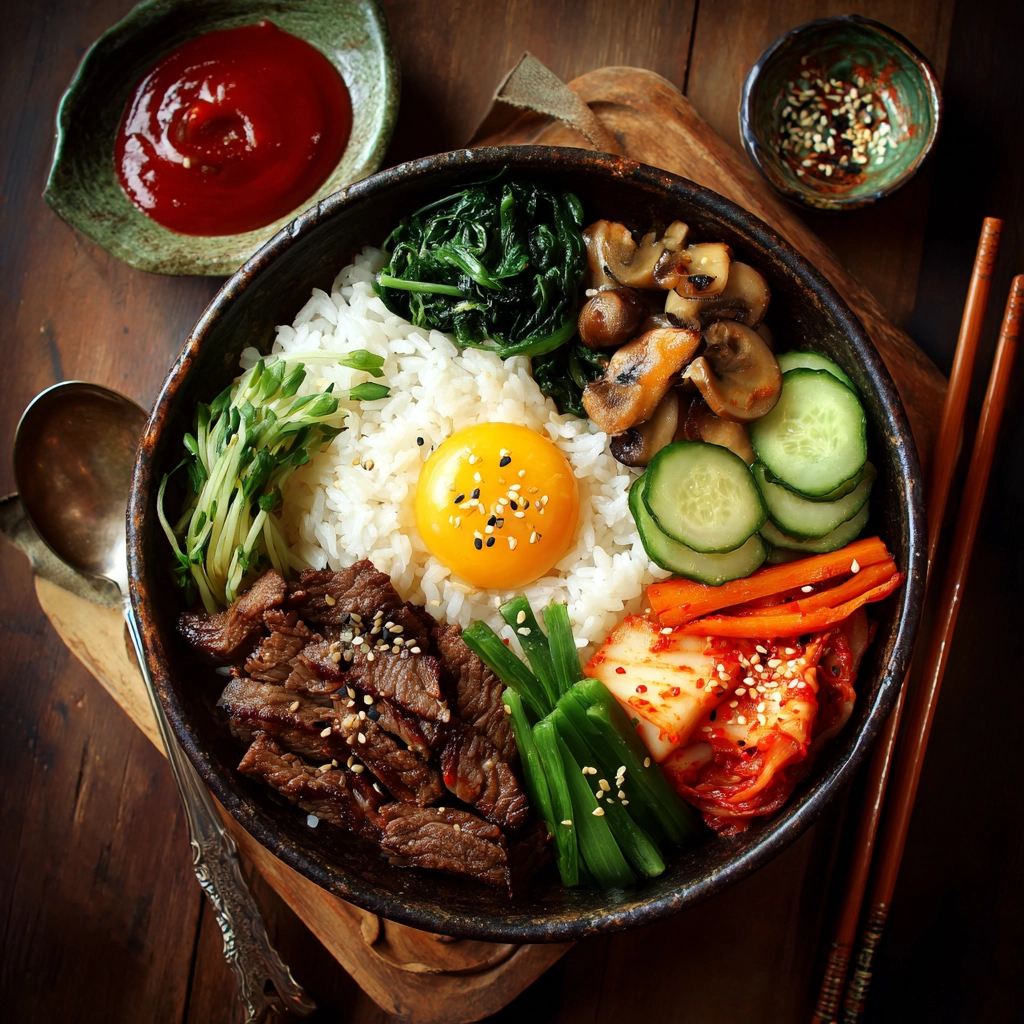
Divide warm rice into serving bowls. Arrange vegetables, beef, and egg neatly on top of the rice in sections for a colorful presentation.
8: Garnish and Serve
Sprinkle sesame seeds and chopped green onions over the top. Add the spicy gochujang sauce before serving and mix everything together thoroughly before eating.
Tips for Customizing the Recipe
Make It Vegetarian
Replace beef with tofu, tempeh, or extra mushrooms for a delicious vegetarian bibimbap option.
Adjust the Spice Level
Reduce the amount of gochujang for a milder flavor or add extra chili flakes for more heat.
Add More Vegetables
Cucumber, kimchi, sweet potato, kale, radish, or bell peppers can add extra color and nutrition.
Use Different Proteins
Chicken, shrimp, salmon, or bulgogi-style beef all work wonderfully in bibimbap bowls.
Create Crispy Rice
For a traditional crispy texture, let the rice cook slightly longer in a hot stone bowl or skillet before adding toppings.
Try Brown Rice
Brown rice increases fiber content and gives the dish a nuttier flavor while making it more filling.
Nutritional Information
Approximate nutritional values per serving may vary based on ingredients used.
| Nutrient | Amount Per Serving |
|---|---|
| Calories | 550–650 |
| Carbohydrates | 55g |
| Protein | 28g |
| Fat | 22g |
| Fiber | 5g |
| Sodium | 780mg |
| Iron | 20% DV |
| Vitamin A | 35% DV |
Bibimbap offers a balanced combination of protein, vegetables, healthy fats, and carbohydrates. Fresh vegetables contribute vitamins and minerals while lean protein helps make the meal satisfying and nutritious.
Serving Suggestions
Korean bibimbap pairs beautifully with a variety of side dishes and accompaniments.
Serve with Kimchi
Traditional Korean kimchi adds spicy, tangy flavor that complements bibimbap perfectly.
Add Korean Side Dishes
Small side dishes such as pickled radish, cucumber salad, or steamed dumplings create a more authentic Korean dining experience.
Pair with Soup
Miso soup or Korean soybean paste soup adds warmth and balance to the meal.
Enjoy with Tea
Hot green tea or barley tea pairs nicely with the rich and spicy flavors of bibimbap.
Meal Prep Bowls
Store prepared vegetables and rice separately for quick and easy meal prep lunches throughout the week.
Korean Bibimbap Recipe – A Flavorful and Colorful Korean Rice Bowl
4
servings25
minutes25
minutes550-650
kcalIngredients
4 cups cooked white rice
1 lb beef (ground or sliced)
2 cups spinach
1 cup carrots (julienned)
1 cup zucchini (sliced)
1 cup mushrooms (sliced)
1 cup bean sprouts
4 eggs
2 tbsp sesame oil
3 tbsp soy sauce
3 cloves garlic (minced)
3 tbsp gochujang (Korean chili paste)
1 tbsp sugar or honey
1 tbsp sesame seeds
2 green onions (chopped)
Directions
- Cook Rice
- Prepare rice according to package instructions and keep warm.
- Marinate Beef
- Mix beef with soy sauce, garlic, sesame oil, and sugar. Let sit for 15–20 minutes.
- Cook Vegetables
- Sauté each vegetable separately with a little sesame oil until tender but still crisp.
- Cook Beef
- Cook marinated beef in a skillet until browned and fully cooked.
- Fry Eggs
- Cook eggs sunny-side up for a runny yolk or as preferred.
- Make Sauce
- Mix gochujang, sesame oil, soy sauce, and sugar until smooth.
- Assemble Bowl
- Place rice in bowls, arrange vegetables and beef on top, and add egg.
- Serve
- Top with sesame seeds and green onions. Add sauce before eating and mix well.
Recipe Video
Notes
- Cook vegetables separately to preserve their natural color, texture, and distinct flavor.
Use freshly cooked warm rice, as it helps the toppings blend better when mixed.
Sesame oil adds authentic Korean aroma, so avoid skipping or substituting it when possible.
FAQs
1. What does bibimbap mean in Korean cuisine?
Bibimbap literally means “mixed rice” in Korean. It refers to a bowl of warm rice topped with vegetables, meat, egg, and spicy gochujang sauce that is mixed together before eating.
2. Can Korean bibimbap be made vegetarian?
Yes, bibimbap is very easy to make vegetarian. Simply skip the meat and add tofu, mushrooms, or extra vegetables like spinach, zucchini, and carrots for a flavorful plant-based version.
3. What rice is best for bibimbap?
Short-grain or medium-grain white rice works best because it becomes slightly sticky, helping all the ingredients blend well. Brown rice can also be used for a healthier option.
4. Is gochujang very spicy?
Gochujang has a mild to medium heat level with a slightly sweet and savory flavor. The spice level can be adjusted by using more or less sauce depending on personal preference.
5. Can bibimbap be made ahead of time?
Yes, most components like vegetables, beef, and rice can be prepared in advance. Store them separately and assemble just before serving for the best texture and flavor.
Conclusion
Korean bibimbap brings together bold flavors, vibrant vegetables, hearty rice, and savory protein in one unforgettable bowl. Every ingredient contributes texture, color, and flavor that create a balanced and satisfying meal perfect for any occasion.
Fresh vegetables, spicy gochujang sauce, and warm rice transform simple ingredients into a restaurant-quality dish that feels comforting yet exciting. Endless customization options also make bibimbap ideal for different dietary needs and personal preferences.