Greek Dolmades Recipe – Traditional Stuffed Grape Leaves Recipe
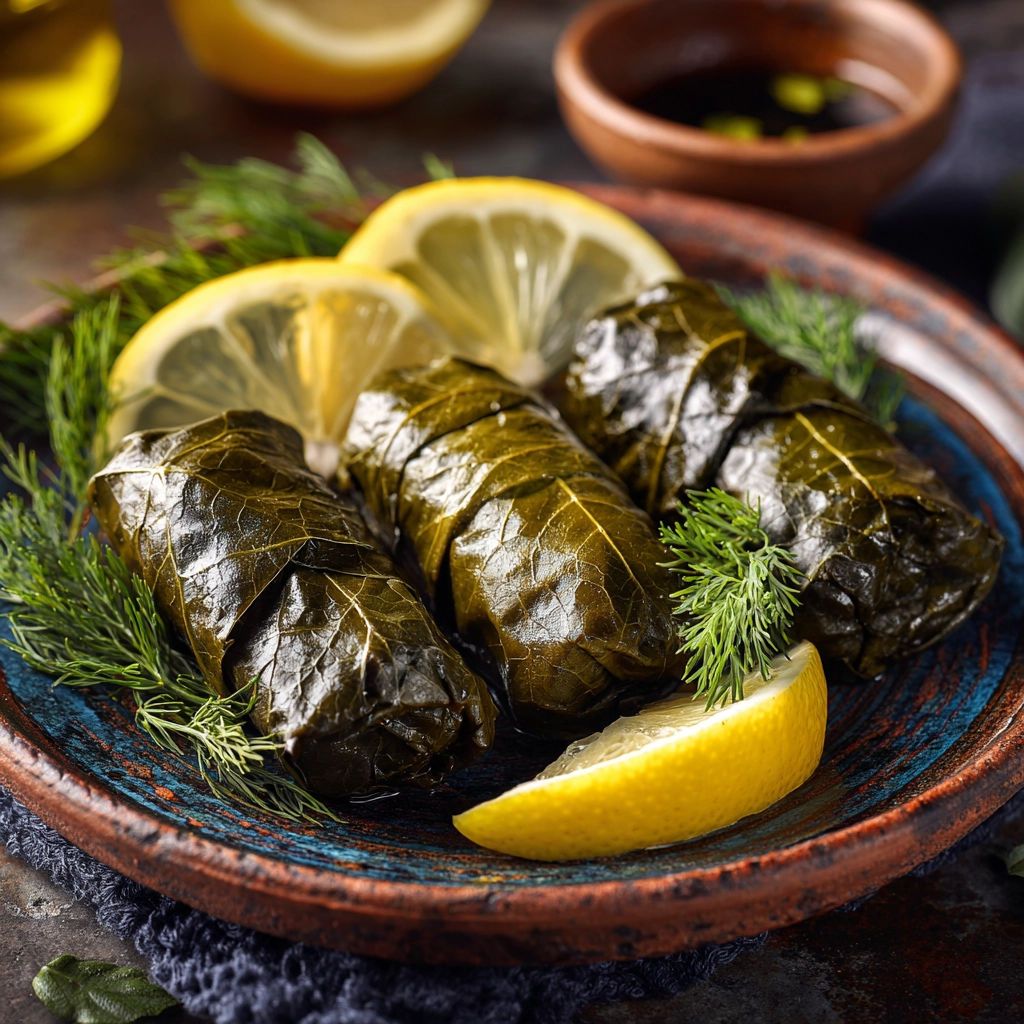
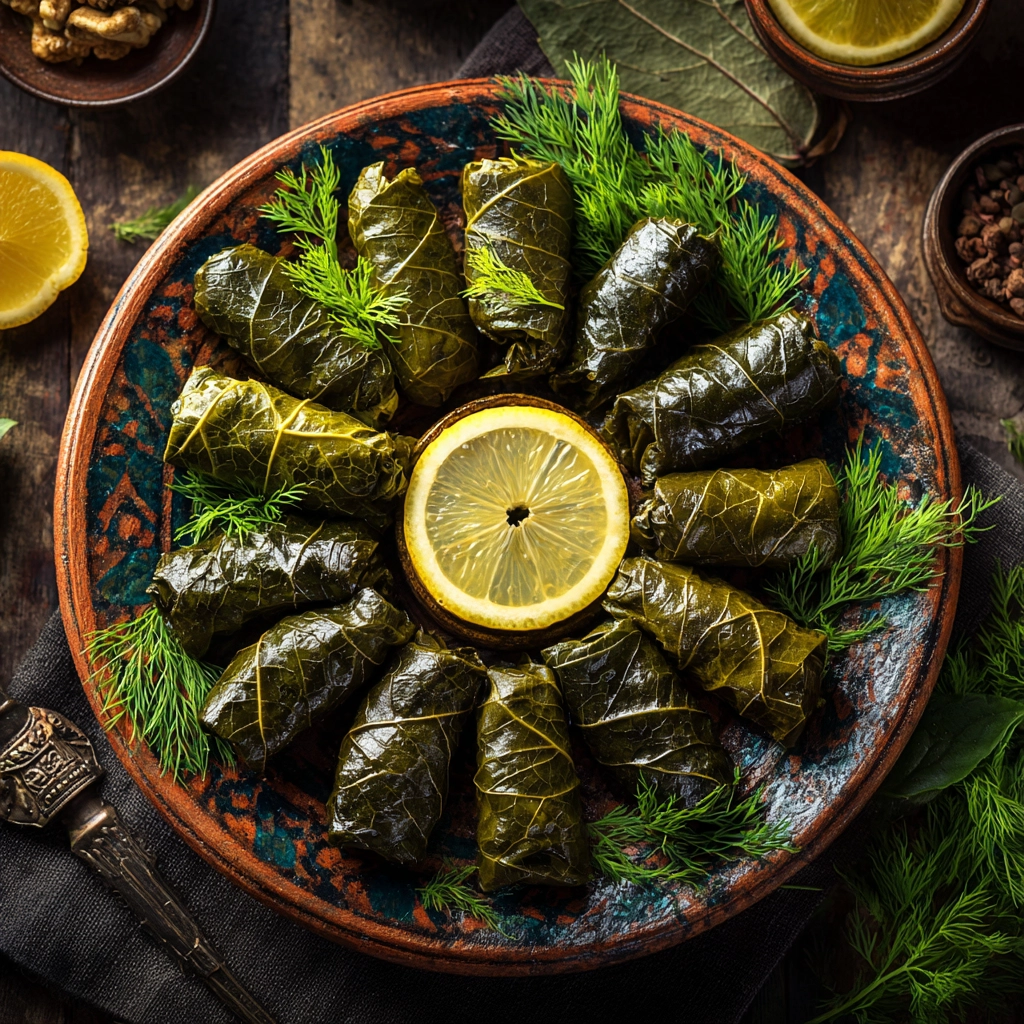
Fragrant herbs, tender rice, and a delicate lemony aroma wrapped inside soft grape leaves create one of Greece’s most iconic and beloved dishes—Greek Dolmades Recipe. Every bite carries a beautiful balance of freshness, earthiness, and subtle tanginess that reflects the heart of Mediterranean cooking. Often served as part of a mezze platter, dolmades bring people together around the table, celebrating simplicity and bold natural flavors.
Rooted in ancient culinary traditions, dolmades have been enjoyed across Greece and the Middle East for centuries. The word “dolma” comes from a Turkish root meaning “to stuff,” and the dish has evolved into countless regional variations. In Greece, dolmades are typically vegetarian, filled with rice, fresh herbs like dill and parsley, and sometimes pine nuts or currants for added depth.
The slow rolling of each grape leaf becomes almost meditative, turning cooking into a mindful experience. As they simmer gently in olive oil and lemon juice, the flavors blend into a soft, comforting filling that melts in the mouth. Served warm or cold, Greek dolmades are versatile enough for appetizers, side dishes, or even light meals.
Ingredients Needed
The following ingredients make approximately 4–6 servings of Greek Dolmades.
| Ingredient | Quantity | Approximate Calories |
|---|---|---|
| Grape leaves (jarred or fresh) | 30–40 leaves | 70 kcal |
| White rice (uncooked) | 1 cup | 205 kcal |
| Onion | 1 large, finely chopped | 60 kcal |
| Olive oil | ½ cup | 960 kcal |
| Fresh dill | 2 tablespoons | 5 kcal |
| Fresh parsley | 2 tablespoons | 5 kcal |
| Fresh mint | 1 tablespoon | 5 kcal |
| Lemon juice | ¼ cup | 15 kcal |
| Pine nuts (optional) | 2 tablespoons | 110 kcal |
| Salt | To taste | 0 kcal |
| Black pepper | To taste | 0 kcal |
| Water or vegetable broth | 2 cups | 20 kcal |
| Lemon slices (for serving) | As needed | 5 kcal |
Step-by-Step Cooking Instructions
1. Prepare the Grape Leaves
If using jarred grape leaves, rinse them thoroughly under cold water to remove excess brine. Gently pat dry and set aside. Fresh leaves should be briefly blanched in hot water to soften them.
2. Prepare the Filling
Heat a small amount of olive oil in a pan and sauté chopped onions until soft and translucent. Add uncooked rice and stir for a few minutes until lightly coated in oil.
Mix in dill, parsley, mint, salt, pepper, and optional pine nuts. Remove from heat and let the mixture cool slightly.
3. Assemble the Dolmades
Place one grape leaf shiny side down on a flat surface. Add a small spoonful of filling near the stem end. Fold the sides inward and roll tightly into a small cylinder. Repeat with remaining leaves and filling.
4. Arrange in Pot
Line the bottom of a pot with leftover grape leaves to prevent sticking. Place dolmades seam-side down in tight layers.
5. Cook the Dolmades
Pour olive oil, lemon juice, and water or broth over the dolmades until just covered. Place a plate on top to keep them from unrolling during cooking.
Simmer gently for 40–50 minutes until rice is fully cooked and leaves are tender.
6. Cool and Serve
Allow dolmades to cool slightly before serving. They can be enjoyed warm or chilled depending on preference.
Tips for Customizing the Recipe
Add Protein
Ground lamb, beef, or chicken can be added to the rice filling for a heartier version.
Make It Vegan-Friendly
The traditional recipe is already plant-based, but ensure vegetable broth is used for full vegan preparation.
Enhance Flavor
Adding lemon zest or a pinch of cinnamon creates a more aromatic Mediterranean profile.
Include Nuts or Fruits
Pine nuts and raisins add texture and subtle sweetness to the filling.
Adjust Cooking Style
Dolmades can be steamed or baked depending on texture preference, though simmering in lemon broth is most traditional.
Nutritional Information
Greek Dolmades offer a balanced combination of carbohydrates, healthy fats, and plant-based nutrients.
Approximate Nutrition Per Serving
| Nutrient | Amount |
|---|---|
| Calories | 200–250 kcal |
| Carbohydrates | 25–30 g |
| Protein | 4–6 g |
| Fat | 10–15 g |
| Fiber | 3–5 g |
| Sugar | 1–2 g |
| Sodium | 400–600 mg |
Nutritional values may vary based on olive oil and fillings used.
Serving Suggestions
- Serve as part of a Greek mezze platter
- Pair with tzatziki, hummus, and olives
- Enjoy with fresh lemon wedges for added brightness
- Serve chilled as an appetizer or warm as a side dish
- Pair with grilled meats or seafood for a complete Mediterranean meal
- Garnish with extra olive oil and fresh herbs
Greek Dolmades – Traditional Stuffed Grape Leaves Recipe
4-6
servings25
minutes50
minutes200-250
kcalIngredients
| Ingredient | Quantity |
| ———————— | ———————– |
| Grape leaves | 30–40 leaves |
| White rice (uncooked) | 1 cup |
| Onion | 1 large, finely chopped |
| Olive oil | ½ cup |
| Fresh dill | 2 tbsp, chopped |
| Fresh parsley | 2 tbsp, chopped |
| Fresh mint | 1 tbsp, chopped |
| Lemon juice | ¼ cup |
| Pine nuts (optional) | 2 tbsp |
| Water or vegetable broth | 2 cups |
| Salt | To taste |
| Black pepper | To taste |
| Lemon slices | For garnish |
Directions
- Prepare Grape Leaves
- Rinse grape leaves well to remove brine. If fresh, blanch briefly in hot water to soften.
- Make Filling
- Sauté onion in olive oil until soft. Add rice, herbs, salt, pepper, and optional pine nuts. Mix well and let cool.
- Roll Dolmades
- Place a grape leaf shiny side down. Add filling, fold sides inward, and roll tightly.
- Arrange in Pot
- Layer unused leaves at the bottom of a pot and place dolmades tightly seam-side down.
- Cook
- Add olive oil, lemon juice, and broth. Place a plate on top and simmer for 40–50 minutes.
- Serve
- Cool slightly and serve warm or chilled with lemon slices.
Recipe Video
Notes
- Grape leaves should be rinsed thoroughly to remove excess brine, as it can make the dish overly salty if not cleaned properly.
Rolling tightly is important to keep the filling intact during cooking, but avoid overfilling to prevent tearing.
FAQs
1. What are Greek Dolmades made of?
Greek Dolmades are traditionally made using grape leaves stuffed with rice, fresh herbs like dill, parsley, and mint, along with olive oil, lemon juice, and sometimes pine nuts or onions.
2. Are Dolmades served hot or cold?
Dolmades can be served both ways. In Greece, they are often enjoyed cold or at room temperature as part of a mezze platter, but they can also be served warm as a side dish.
3. Can I make Dolmades without grape leaves?
Grape leaves are essential for traditional Dolmades, but in their absence, cabbage leaves or Swiss chard can be used as substitutes, though the flavor will be slightly different.
4. Are Greek Dolmades vegetarian?
Yes, the classic Greek version of Dolmades is vegetarian, made primarily with rice, herbs, and olive oil. Some variations may include meat like ground lamb or beef.
5. How do I prevent Dolmades from falling apart while cooking?
Rolling them tightly and placing them seam-side down in the pot helps keep them intact. Adding a plate on top during cooking also prevents them from unwrapping.
Conclusion
Greek Dolmades represent the heart of Mediterranean cooking—simple ingredients transformed into something deeply flavorful and elegant. Each rolled grape leaf carries the aroma of fresh herbs, olive oil, and lemon, offering a dish that feels both comforting and refreshing.