Poha Upma Stack Recipe: A Flavorful Fusion Breakfast You’ll Love
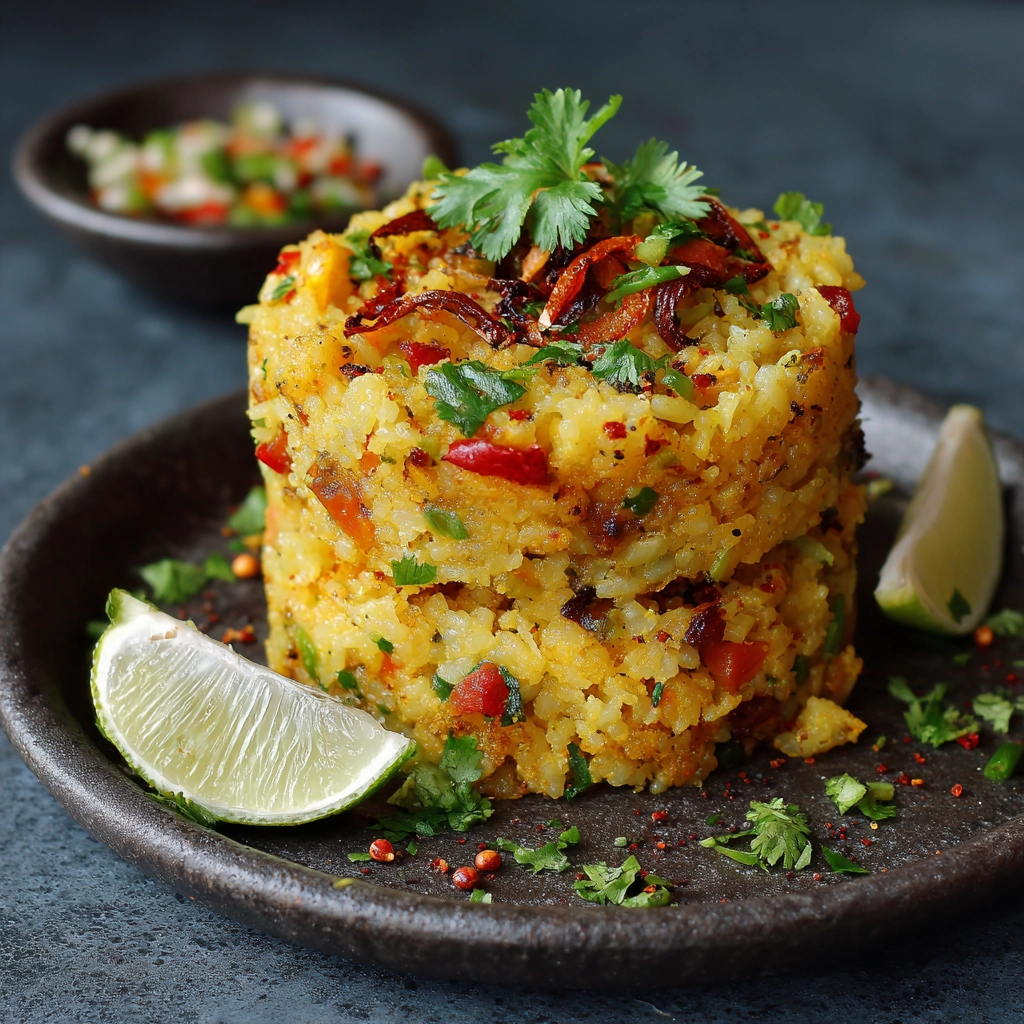
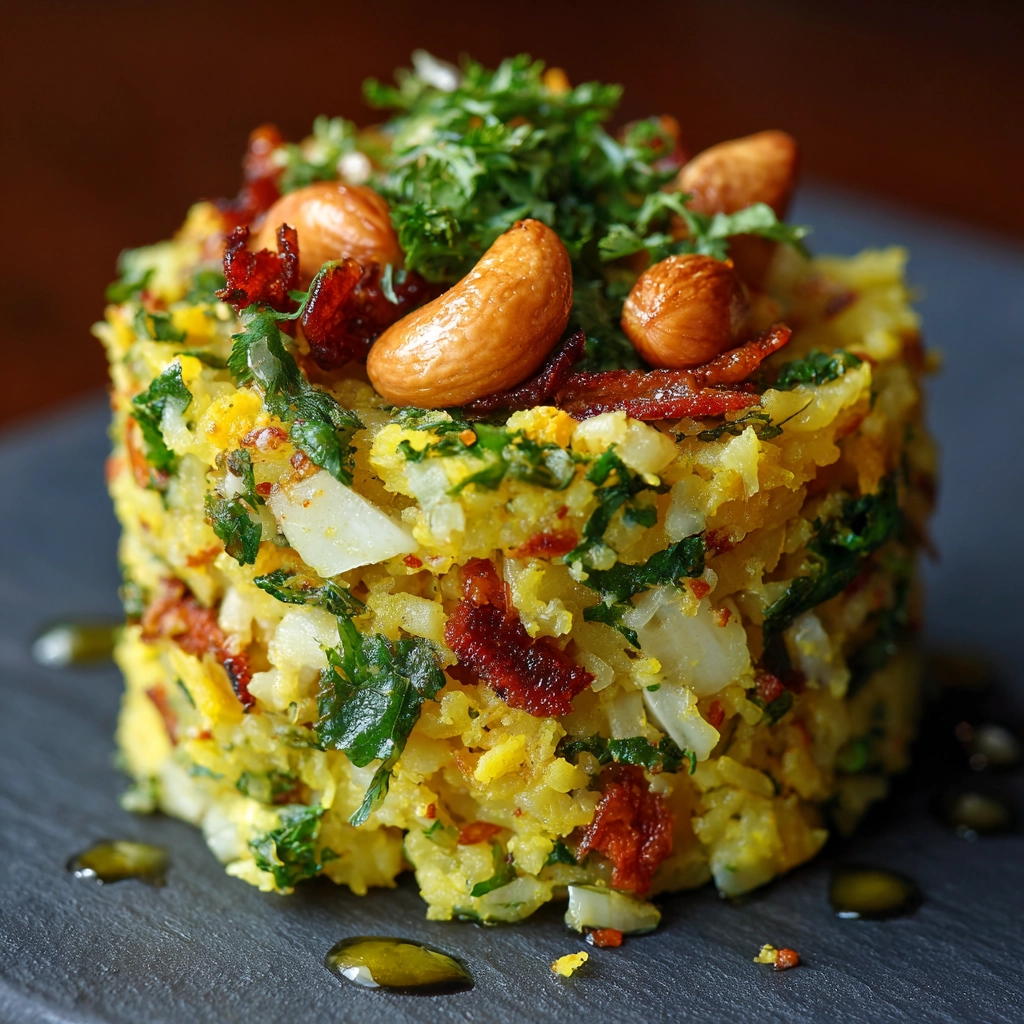
Morning meals often set the tone for the entire day, and nothing feels more satisfying than a breakfast that is both comforting and exciting. Poha Upma Stack Recipe brings together two beloved Indian staples—soft, fluffy poha and savory semolina upma—layered creatively to form a visually appealing and delicious dish. Each bite offers a delightful contrast of textures, where the lightness of poha meets the subtly spiced richness of upma.
Fusion recipes like this one have gained popularity because they transform everyday ingredients into something new without making cooking complicated. Aromatic curry leaves, crunchy vegetables, and gentle spices blend beautifully, creating a dish that feels homely yet modern. Whether served for breakfast, brunch, or even a light dinner, poha upma stack delivers warmth, flavor, and satisfaction in every layer.
Ingredients Needed
| Ingredient | Quantity | Calories (Approx.) |
|---|---|---|
| Poha (flattened rice) | 1 cup | 180 kcal |
| Semolina (rava/sooji) | ½ cup | 180 kcal |
| Onion (chopped) | 1 medium | 45 kcal |
| Carrot (finely chopped) | ½ cup | 25 kcal |
| Green peas | ¼ cup | 35 kcal |
| Green chili | 1–2 pieces | 5 kcal |
| Mustard seeds | 1 tsp | 10 kcal |
| Curry leaves | 8–10 leaves | 2 kcal |
| Turmeric powder | ½ tsp | 5 kcal |
| Salt | To taste | 0 kcal |
| Lemon juice | 1 tbsp | 4 kcal |
| Oil | 2 tbsp | 240 kcal |
| Fresh coriander | 2 tbsp | 5 kcal |
Step-by-Step Cooking Instructions
1. Prepare the Poha
Rinse poha gently under water and let it sit for a few minutes until soft. Drain excess water and keep aside.
2. Cook the Upma Base
Heat oil in a pan. Add mustard seeds and let them splutter. Add curry leaves, green chili, and chopped onions. Sauté until onions turn translucent.
3. Add Vegetables
Mix in carrots and green peas. Cook for 3–4 minutes until slightly tender.
4. Prepare Semolina Layer
Add semolina and roast lightly for a minute to enhance flavor. Slowly pour water while stirring continuously to avoid lumps. Cook until it thickens into soft upma. Set aside.
5. Flavor the Poha
In another pan, heat a little oil, add turmeric and salt, then mix in the softened poha. Toss gently to coat evenly.
6. Assemble the Stack
Layer the poha at the bottom of a serving plate or bowl, then add the warm upma on top to form a beautiful stack.
7. Finish and Serve
Drizzle lemon juice and garnish with fresh coriander. Serve warm.
Tips for Customizing the Recipe
- Add roasted peanuts for crunch and extra protein.
- Include grated coconut for a South Indian twist.
- Replace vegetables with seasonal options like beans or bell peppers.
- Add ghee instead of oil for richer flavor.
- Spice it up with extra green chilies or red chili powder.
- Top with sev or fried onions for a street-food style touch.
Nutritional Information
A typical serving of poha upma stack provides:
| Nutrient | Amount |
|---|---|
| Calories | ~400–500 kcal |
| Protein | 8–10g |
| Carbohydrates | 70–80g |
| Fats | 12–15g |
| Fiber | 5–7g |
This dish offers a balanced mix of energy from carbohydrates, light fats, and essential nutrients from vegetables, making it a wholesome breakfast choice.
Serving Suggestions
- Serve with coconut chutney or tomato chutney for added flavor.
- Pair with hot masala chai for a comforting breakfast experience.
- Add a side of yogurt for a cooling contrast.
- Present in a bowl to highlight the layered “stack” effect.
- Garnish with lemon wedges for extra freshness.
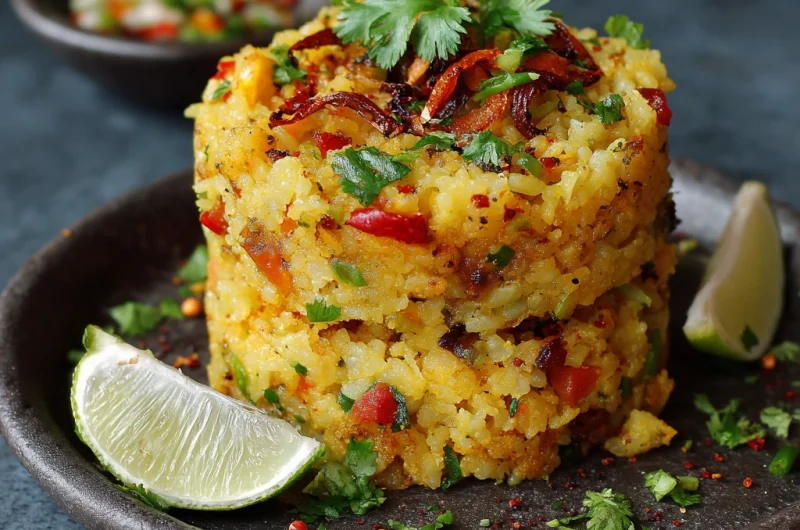
Poha Upma Stack: A Flavorful Fusion Breakfast You’ll Love
2-3
servings10
minutes20
minutes400-500
kcalIngredients
For Poha Layer
1 cup poha (flattened rice)
½ tsp turmeric powder
1 tbsp oil
1 green chili (chopped)
½ onion (chopped)
Salt to taste
1 tbsp lemon juice
Fresh coriander (for garnish)
For Upma Layer
½ cup semolina (rava/sooji)
1 onion (chopped)
½ cup mixed vegetables (carrot, peas, beans)
1 tsp mustard seeds
8–10 curry leaves
2 tbsp oil
1½ cups water
Salt to taste
1 green chili (chopped)
Directions
- Prepare Poha
- Rinse poha lightly and let it soften for a few minutes.
- Heat oil in a pan, add onion and green chili, and sauté.
- Add turmeric, salt, and poha. Mix gently.
- Finish with lemon juice and coriander. Set aside.
- Cook Upma
- Heat oil in a pan, add mustard seeds and curry leaves.
- Add onions and sauté until soft.
- Add vegetables and cook for 2–3 minutes.
- Roast semolina lightly for 1 minute.
- Slowly add water while stirring continuously.
- Cook until thick and soft.
- Assemble the Stack
- Place poha as the bottom layer.
- Add warm upma on top to create a stacked effect.
Recipe Video
Notes
- Rinse poha very gently; over-washing can make it mushy and break the texture.
Use fine or medium semolina for smoother upma consistency and quicker cooking.
Keep stirring the upma continuously while adding water to avoid lumps and ensure a soft, fluffy texture.
FAQs
1. What is poha upma stack?
Poha upma stack is a fusion Indian breakfast dish where soft poha and flavorful semolina upma are layered together to create a visually appealing and tasty meal.
2. Can I make poha upma stack ahead of time?
Yes, both poha and upma can be prepared separately in advance and stored in the refrigerator for up to 1 day. Assemble and reheat before serving for best taste.
3. Is poha upma stack healthy?
Yes, it’s a balanced meal that provides carbohydrates for energy, vegetables for fiber, and moderate fats. It can be made even healthier by reducing oil and adding more veggies.
4. Can I skip semolina or poha and use only one layer?
Absolutely. You can make either a poha base or an upma base if you prefer a simpler version of the dish.
5. What vegetables work best in this recipe?
Common options include carrots, peas, onions, beans, bell peppers, and potatoes. You can use any seasonal vegetables you like.
Conclusion
Poha upma stack brings creativity and comfort together in a single plate, turning simple pantry ingredients into a visually appealing and satisfying meal. The combination of soft poha and flavorful upma creates a balanced dish that works beautifully for busy mornings or relaxed brunches. Easy to customize and quick to prepare, this fusion recipe proves that traditional ingredients can still feel exciting when presented in a new way.