Bake Spelt Bread: A Wholesome, Nutty Homemade Loaf
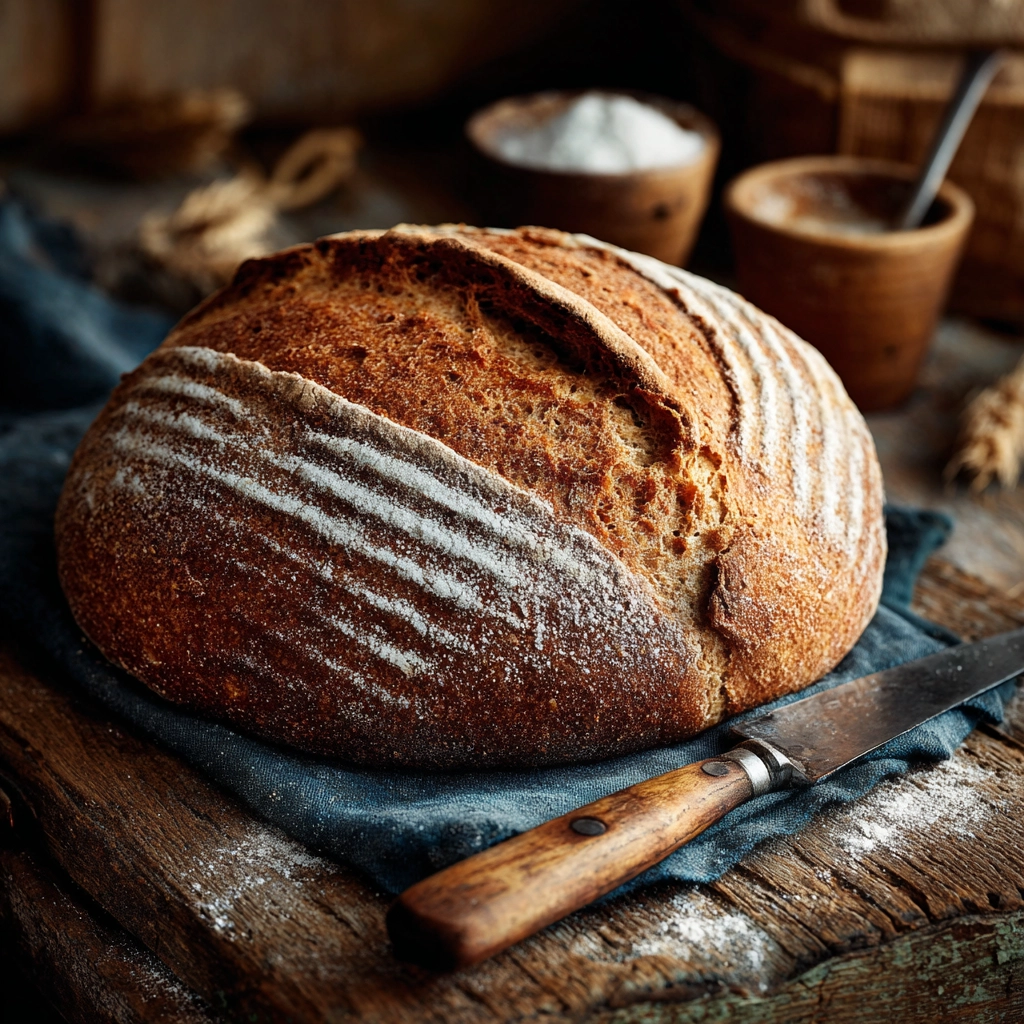
The comforting aroma of freshly Bake Spelt Bread drifting through the kitchen instantly creates a sense of warmth and satisfaction. Baking spelt bread at home elevates that experience even further, offering a rustic, slightly nutty flavor that feels both nourishing and deeply satisfying. Ancient grains have gained renewed popularity in recent years, and spelt stands out for its rich history, wholesome nutrition, and beautifully tender crumb.
Spelt wheat, historically cultivated across parts of Europe and the ancient Middle East, has been a dietary staple for thousands of years. Unlike modern wheat, spelt retains a slightly sweeter, nuttier flavor and often produces a softer crumb when handled correctly. Home bakers appreciate how forgiving and versatile this flour can be when making artisan-style loaves.
Ingredients Needed
Below are the ingredients required to bake one standard loaf (approximately 10 slices).
| Ingredient | Quantity | Approx. Calories |
|---|---|---|
| Spelt flour | 3 cups | 1,200 kcal |
| Warm water | 1 ¼ cups | 0 kcal |
| Active dry yeast | 2 ¼ tsp (1 packet) | 21 kcal |
| Honey or maple syrup | 2 tbsp | 120 kcal |
| Olive oil | 2 tbsp | 240 kcal |
| Salt | 1 ½ tsp | 0 kcal |
Step-by-Step Cooking Instructions
1. Activate the Yeast
In a large mixing bowl, combine warm water (about 110°F / 43°C) with honey. Sprinkle yeast over the top and let it sit for 5–10 minutes until foamy. Proper activation ensures a well-risen loaf.
2. Mix the Dough
Add olive oil and salt to the yeast mixture. Gradually stir in spelt flour, one cup at a time, until a soft dough forms.
3. Knead Gently
Transfer the dough to a lightly floured surface. Knead for 5–7 minutes until smooth and elastic. Spelt contains a more delicate gluten structure than modern wheat, so avoid over-kneading.
4. First Rise
Place the dough in a lightly oiled bowl, cover with a clean towel, and allow it to rise in a warm area for about 60–90 minutes, or until doubled in size.
5. Shape the Loaf
Punch down the dough gently to release air. Shape into a loaf and place into a greased 9×5-inch loaf pan.
6. Second Rise
Cover again and let rise for 30–45 minutes until slightly above the rim of the pan.
7. Bake
Preheat oven to 375°F (190°C). Bake for 30–35 minutes until the crust turns golden brown and the loaf sounds hollow when tapped.
8. Cool Completely
Remove from pan and cool on a wire rack for at least 30 minutes before slicing to prevent a gummy texture.
Tips for Customizing the Recipe
Add Seeds:
Incorporate sunflower, flax, or sesame seeds for texture and nutritional benefits.
Whole Grain Option:
Use whole spelt flour for a denser, more fiber-rich loaf.
Herb Infusion:
Mix in dried rosemary, thyme, or garlic powder for a savory twist.
Sweet Variation:
Add raisins and cinnamon for a lightly sweet breakfast loaf.
Sourdough Adaptation:
Replace yeast with a mature sourdough starter for deeper flavor complexity.
Nutritional Information (Per Slice)
| Nutrient | Amount (Per Slice) |
|---|---|
| Calories | 160–180 kcal |
| Carbohydrates | 28–32 g |
| Protein | 5–6 g |
| Fat | 3–4 g |
| Fiber | 3–5 g |
| Sugar | 2–4 g |
Spelt bread offers more protein and fiber compared to many refined white breads. It also contains essential minerals like iron, magnesium, and zinc.
Serving Suggestions
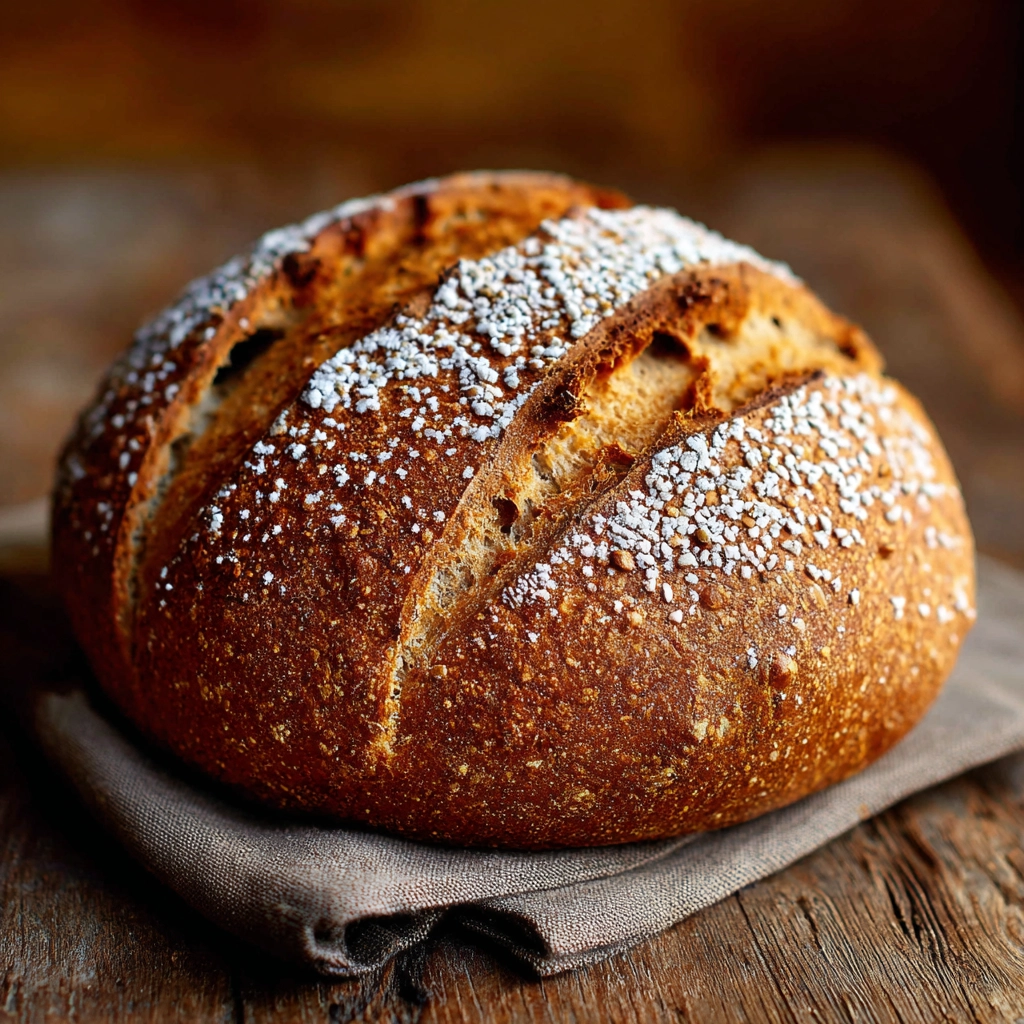
Freshly baked spelt bread tastes wonderful toasted with butter and honey. It pairs beautifully with soups, stews, and hearty salads. Use it for gourmet sandwiches layered with roasted vegetables, cheese, or grilled chicken. For breakfast, top slices with avocado, poached eggs, or nut butter and fresh fruit. Slightly stale slices can be transformed into croutons, French toast, or homemade breadcrumbs.
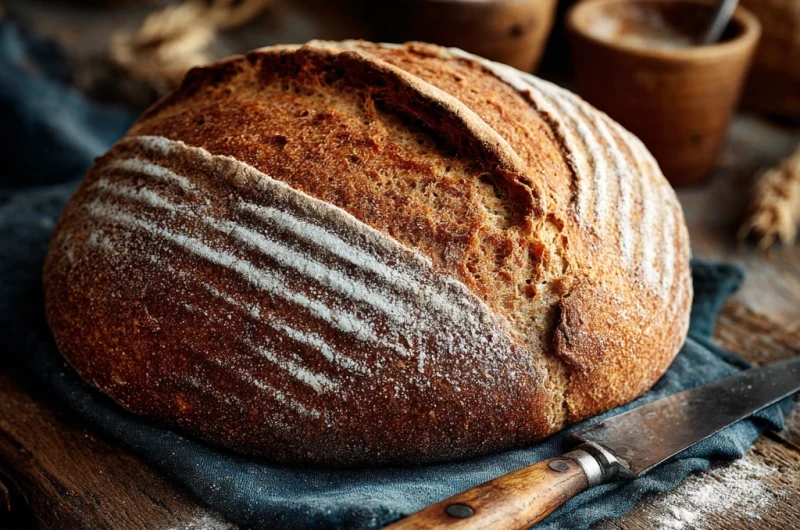
Bake Spelt Bread: A Wholesome, Nutty Homemade Loaf
1
servings15
minutes30
minutes160-180
kcalIngredients
3 cups spelt flour
1 ¼ cups warm water (110°F / 43°C)
2 ¼ tsp active dry yeast (1 packet)
2 tbsp honey or maple syrup
2 tbsp olive oil
1 ½ tsp salt
Directions
- Activate Yeast: Combine warm water and honey in a large bowl. Sprinkle yeast on top and let sit 5–10 minutes until foamy.
- Mix Dough: Add olive oil and salt to yeast mixture. Gradually stir in spelt flour until a soft dough forms.
- Knead: Knead gently on a floured surface for 5–7 minutes until smooth and elastic.
- First Rise: Place dough in an oiled bowl, cover, and let rise 60–90 minutes until doubled.
- Shape Loaf: Punch down dough and shape into a loaf. Place in a greased 9×5-inch pan.
- Second Rise: Cover and let rise 30–45 minutes until slightly above pan rim.
- Bake: Preheat oven to 375°F (190°C). Bake 30–35 minutes until golden and hollow-sounding when tapped.
- Cool: Remove from pan and cool on wire rack at least 30 minutes before slicing.
Recipe Video
Notes
- Use gentle kneading: Spelt gluten is more delicate than modern wheat; over-kneading can make the bread dense or crumbly.
Control rising times: Allow the dough to rise until doubled but avoid overproofing, which can cause collapse.
FAQs
1. What is spelt bread?
Spelt bread is a wholesome loaf made from spelt flour, an ancient grain with a slightly nutty flavor and tender texture. It’s often considered easier to digest than modern wheat bread.
2. Can I use whole spelt flour instead of regular spelt flour?
Yes, whole spelt flour can be used. The loaf will be denser and richer in fiber and nutrients, with a slightly earthier flavor.
3. Is spelt bread gluten-free?
No, spelt contains gluten, but its gluten structure is more delicate than modern wheat, which some people find easier to digest. It’s not suitable for people with celiac disease.
4. Can I make spelt bread without yeast?
Yes, you can use a sourdough starter instead of yeast. This will give the bread a slightly tangy flavor and a chewier texture.
5. How do I keep spelt bread soft?
Avoid overbaking and allow it to cool completely on a wire rack before slicing. Store in an airtight container or wrap in a cloth to retain moisture.
Conclusion
Baking spelt bread at home combines tradition, nutrition, and irresistible flavor in one simple loaf. The nutty taste, soft interior, and golden crust create a wholesome bread that feels both rustic and refined. With minimal ingredients and straightforward steps, even beginner bakers can achieve bakery-quality results.