Best Sushi Rice Recipe: Perfect Sticky Japanese Rice Every Time
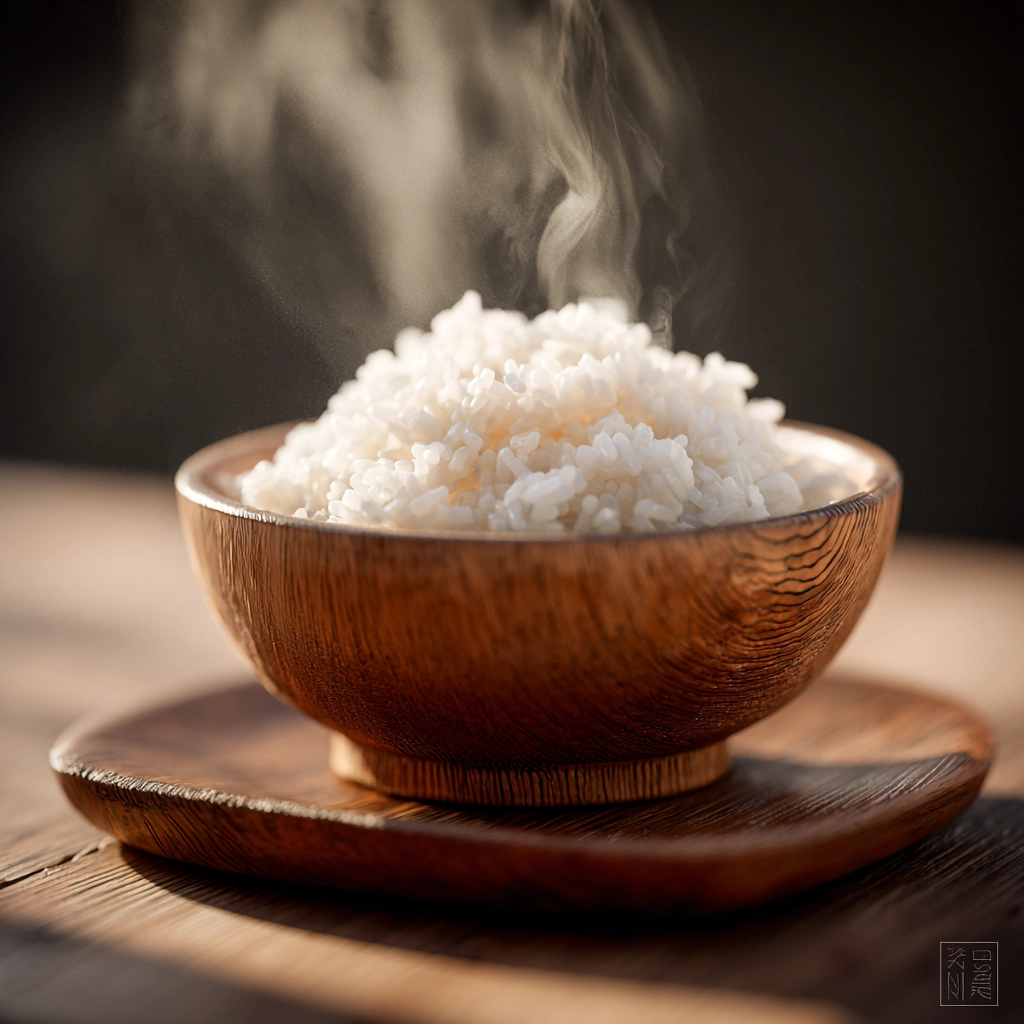
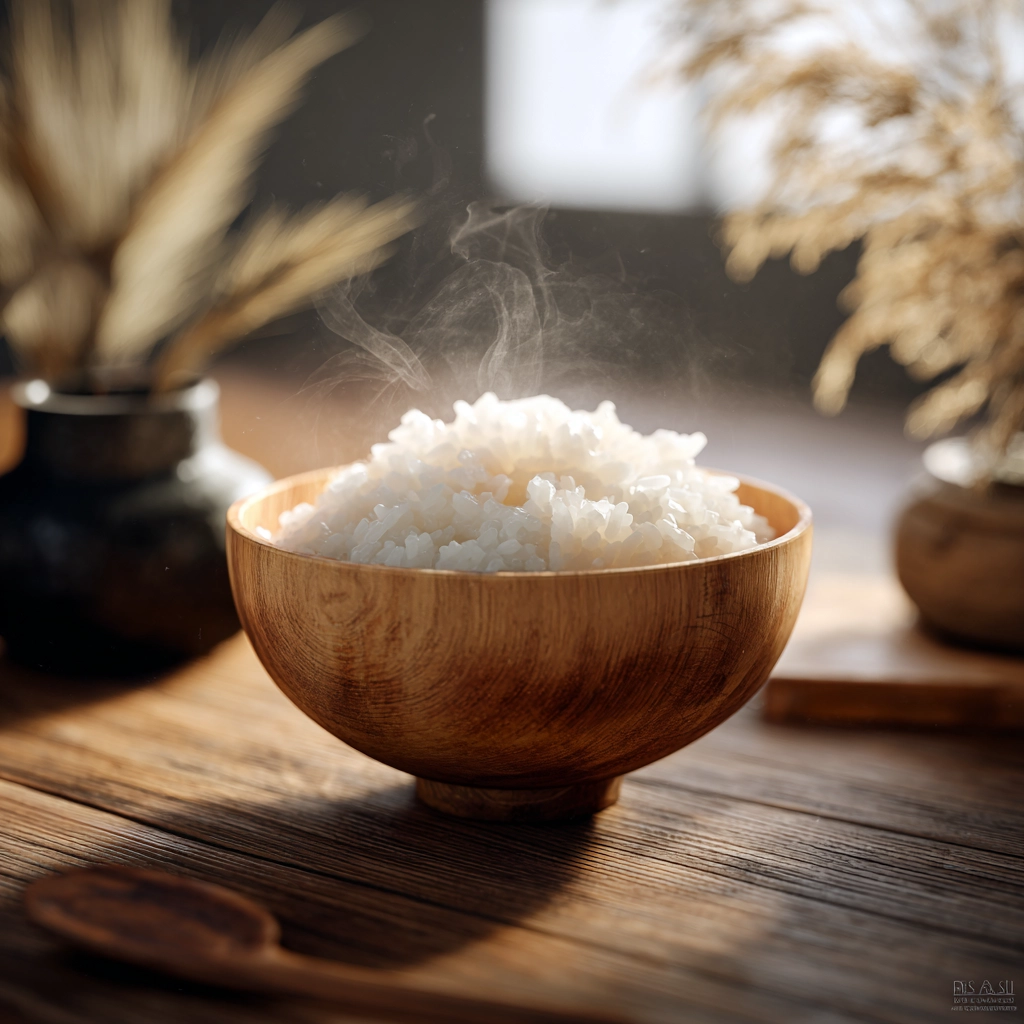
Japanese cuisine owes much of its global popularity to simplicity, precision, and balance, and Best Sushi Rice Recipe stands at the very center of that philosophy. Soft, slightly sticky, and delicately seasoned with rice vinegar, this humble ingredient transforms ordinary dishes into restaurant-quality sushi creations. Every grain plays a role in delivering the signature texture that holds rolls together while maintaining a light, fluffy bite.
Home cooks often assume sushi rice is complicated, yet the process becomes surprisingly approachable once the right technique is understood. The magic lies not only in the cooking method but also in the careful balance of seasoning that gives the rice its signature tangy-sweet flavor. Properly prepared sushi rice works as the foundation for sushi rolls, poke bowls, onigiri, and countless Japanese-inspired dishes.
A perfectly cooked bowl of sushi rice reflects attention to detail and respect for tradition. Whether paired with fresh fish, vegetables, or enjoyed on its own, it delivers comfort, structure, and flavor in every bite. Mastering this essential recipe opens the door to countless homemade Japanese meals that taste fresh, authentic, and deeply satisfying.
Ingredients Needed
| Ingredient | Quantity | Approx. Calories |
|---|---|---|
| Japanese short-grain rice | 2 cups | 680 |
| Water | 2 ½ cups | 0 |
| Rice vinegar | ¼ cup | 15 |
| Sugar | 2 tbsp | 100 |
| Salt | 1 tsp | 0 |
| Kombu (optional) | 1 small piece | 5 |
Step-by-Step Cooking Instructions
1. Rinse the Rice
Place rice in a bowl and rinse under cold water several times until the water runs clear. This removes excess starch and helps achieve the ideal sticky texture.
2. Soak Before Cooking
Allow the rinsed rice to soak in fresh water for 20–30 minutes. This step ensures even cooking and softer grains.
3. Cook the Rice
Transfer rice and measured water into a rice cooker or pot. Cook until tender and fluffy. If using stovetop, bring to boil, then reduce heat and simmer covered for 15–18 minutes.
4. Prepare Sushi Vinegar
Mix rice vinegar, sugar, and salt in a small saucepan. Warm gently until sugar dissolves completely. Do not boil.
5. Season the Rice
Transfer cooked rice to a wide wooden or glass bowl. Drizzle vinegar mixture evenly over the rice.
6. Fold Gently
Use a rice paddle to fold the rice carefully without mashing grains. Fan the rice while mixing to help it cool and achieve a glossy finish.
7. Let It Rest
Allow rice to rest at room temperature for a few minutes before using for sushi or other dishes.
Tips for Customizing the Recipe
- Use Japanese short-grain rice for authentic texture and stickiness.
- Adjust vinegar sweetness by increasing or decreasing sugar.
- Add kombu while cooking for subtle umami flavor.
- Fan the rice while mixing for a glossy, restaurant-style finish.
- Avoid over-stirring to keep grains intact and fluffy.
- Use a wooden bowl for traditional preparation and better moisture control.
- Serve at room temperature for best sushi results.
Nutritional Information
Approximate Per Serving (1 of 4)
| Nutrient | Amount |
|---|---|
| Calories | ~200 kcal |
| Carbohydrates | 45g |
| Protein | 3g |
| Fat | 0.5g |
| Sugar | 5g |
| Sodium | 150mg |
Serving Suggestions
Best sushi rice serves as a versatile base for many Japanese-inspired dishes:
- Classic sushi rolls (maki, uramaki)
- Nigiri sushi with fresh fish
- Onigiri (rice balls) with fillings like tuna or salmon
- Poke bowls with seafood and vegetables
- Teriyaki chicken bowls
- Tempura side dishes
- Vegan sushi bowls with avocado and cucumber
Pairing sushi rice with soy sauce, pickled ginger, and wasabi enhances its traditional flavor profile.
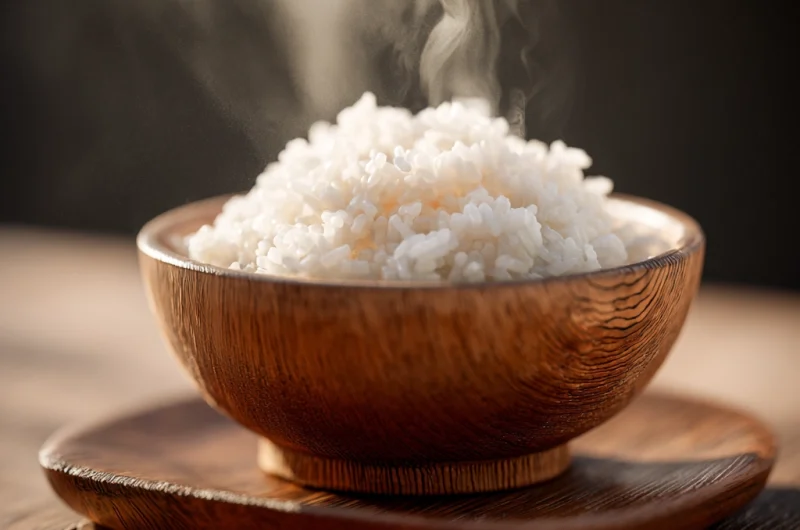
Best Sushi Rice Recipe: Perfect Sticky Japanese Rice Every Time
4
servings10
minutes15
minutes200
kcalIngredients
2 cups Japanese short-grain rice
2 ½ cups water
¼ cup rice vinegar
2 tbsp sugar
1 tsp salt
1 small piece kombu (optional)
Directions
- Rinse the Rice
- Wash rice under cold water until water runs clear.
- Soak
- Soak rice in clean water for 20–30 minutes, then drain.
- Cook Rice
- Cook rice in a rice cooker or pot until soft and fluffy.
- Prepare Vinegar Mix
- Heat rice vinegar, sugar, and salt until fully dissolved (do not boil).
- Season Rice
- Transfer cooked rice to a wide bowl and gently mix in vinegar mixture.
- Cool Properly
- Fan and fold rice gently until glossy and slightly cooled.
- Rest & Use
- Let rice rest before using for sushi or bowls.
Recipe Video
Notes
- Always use Japanese short-grain rice because it has the right starch level for authentic sticky texture.
Rinsing the rice thoroughly is essential to remove excess starch and prevent gummy results.
Soaking the rice before cooking helps it cook evenly and improves softness.
FAQs
1. What is sushi rice?
Sushi rice is a Japanese-style short-grain rice that becomes slightly sticky when cooked and is seasoned with a mixture of rice vinegar, sugar, and salt. It is the base of most sushi dishes.
2. Which rice is best for sushi rice?
Japanese short-grain rice is the best choice because it has the right starch content to create a sticky yet fluffy texture needed for sushi.
3. Can I use normal rice for sushi?
Long-grain or basmati rice is not ideal because it does not stick properly. For best results, always use short-grain or sushi-specific rice.
4. Why is my sushi rice too sticky or mushy?
Overcooking or using too much water can make sushi rice mushy. Not rinsing the rice properly can also cause excess starch buildup.
5. Do I need rice vinegar for sushi rice?
Yes, rice vinegar is essential because it gives sushi rice its signature tangy flavor. Without it, the rice will taste plain and less authentic.
Conclusion
Perfect sushi rice represents the foundation of authentic Japanese cooking, blending simplicity with precision. Every step—from rinsing and soaking to seasoning and folding—contributes to the final texture and taste that defines great sushi. Mastering this essential recipe opens the door to countless homemade Japanese dishes that feel fresh, balanced, and deeply satisfying.